Currently Serving Texas Residents Only (Florida, Colorado, Hawaii coming soon)
Provider-led TRT for men with symptoms of low testosterone, guided by labs, personalized care, and ongoing follow-up.
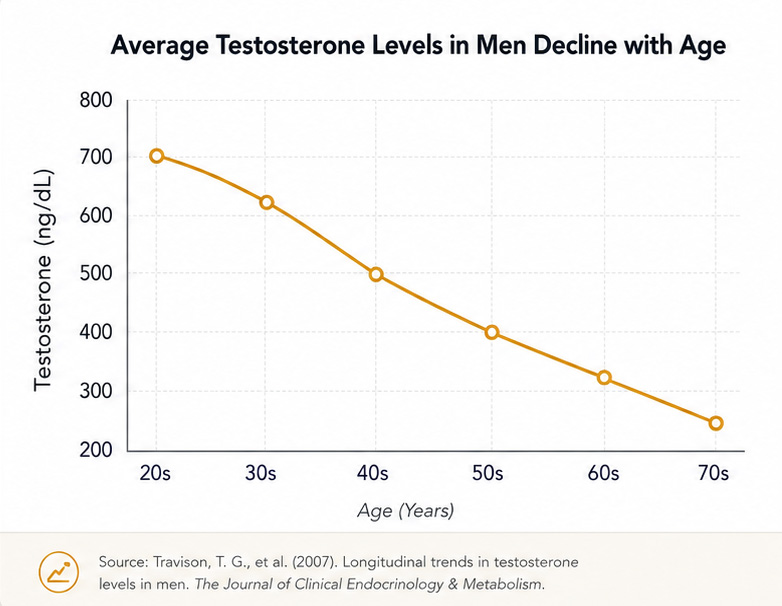
A gradual drop in testosterone can influence how men feel, perform, and recover over time.
Testosterone plays a critical role in men’s health, impacting energy, libido, mood, muscle mass, and overall vitality. As men age, levels naturally decline-potentially affecting daily performance and long-term well-being.
Testosterone may gradually decrease beginning around age 30.
Low T can contribute to fatigue, reduced sex drive, lower motivation, and changes in body composition.
Medically guided testosterone replacement tailored to your individual goals.
Customized treatment based on your needs and labs.
Ongoing check-ins and guidance to help optimize care.
Our streamlined telehealth process connects you with expert care, personalized treatment, and fast delivery — all from home.
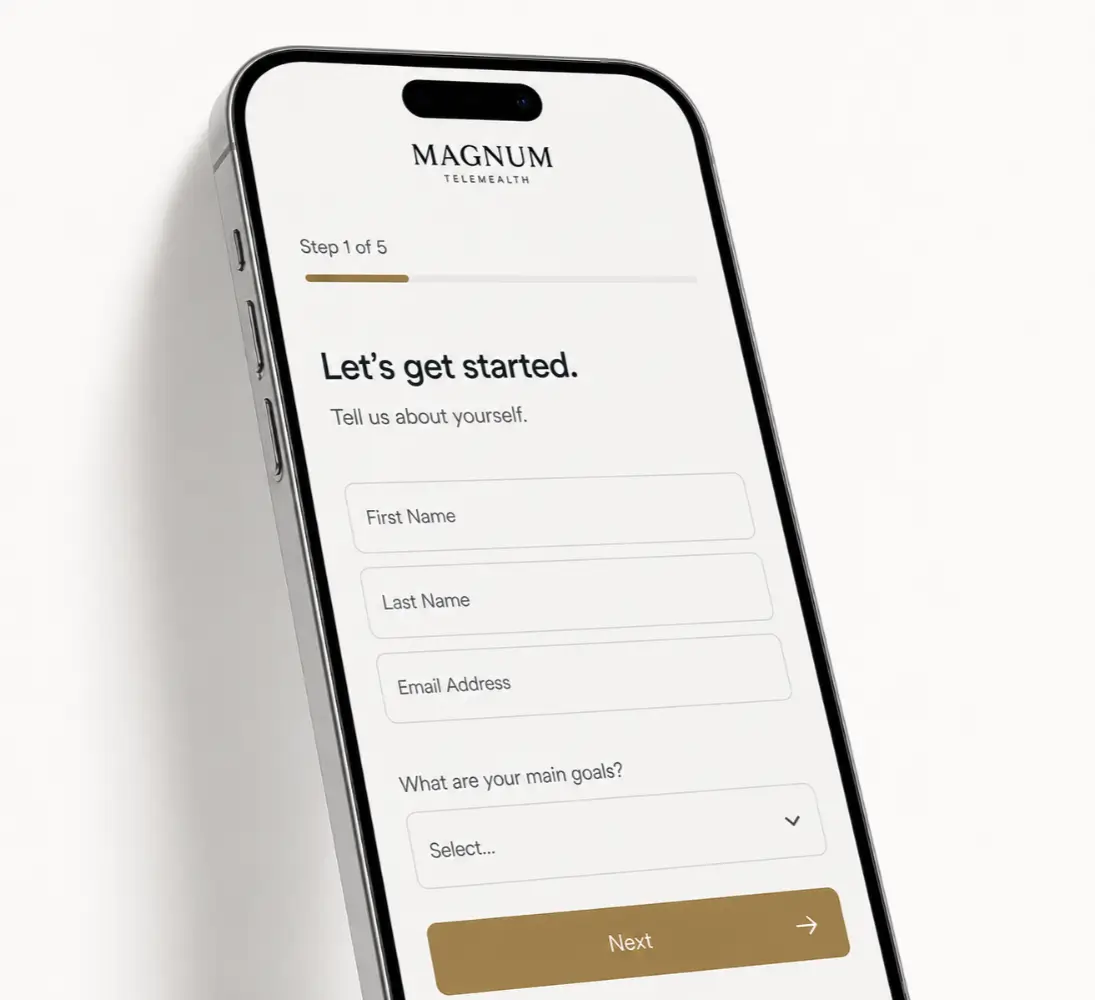
Complete a quick intake form and share your goals, symptoms, and health history.
Review your labs, discuss treatment options, and receive a plan tailored to your needs.
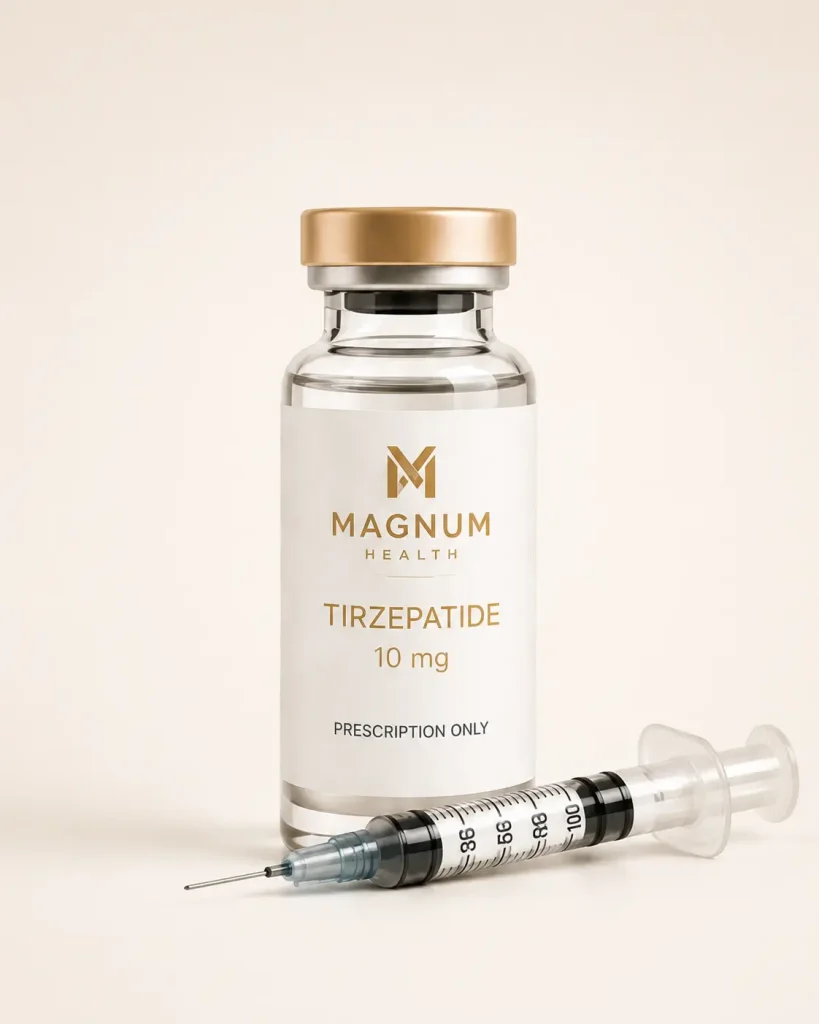
Your medication ships directly to your door with continued support and follow-up along the way.
Start with a provider-led consultation, complete the appropriate labs, and get a plan built around your symptoms, goals, and long-term health.
Yes. Lab testing is required before treatment decisions are made. Your provider uses your lab results, symptoms, health history, and goals to determine whether TRT may be appropriate for you.
You may be a candidate if you have symptoms of low testosterone and lab results that support a diagnosis of testosterone deficiency. Eligibility is determined after a provider reviews your medical history, symptoms, medications, risk factors, and lab work.
Low testosterone may contribute to low energy, reduced libido, erectile performance concerns, mood changes, brain fog, poor recovery, reduced strength, increased abdominal fat, and feeling unlike yourself. These symptoms can have many causes, so proper testing and evaluation are important.

You start by completing an intake and consultation request. From there, you complete the required labs. Your provider reviews your results and medical history, then determines whether TRT is clinically appropriate. If prescribed, your treatment plan is created and medication can be shipped to your home.
Some men notice changes in energy, mood, or libido within a few weeks, while changes in strength, recovery, and body composition typically take longer. Results vary based on your starting levels, treatment plan, lifestyle, consistency, and follow-up labs.
TRT can be safe and effective for appropriate patients when properly prescribed and monitored. It is not appropriate for everyone. Follow-up labs and provider monitoring are important to track response, adjust treatment when needed, and help reduce potential risks.
TRT can reduce natural testosterone production and may lower sperm production, which can affect fertility. If fertility is important to you now or in the future, tell your provider before starting treatment. Alternative options, such as enclomiphene, may be discussed when clinically appropriate.
Possible side effects may include acne, oily skin, changes in mood, increased red blood cell count, fluid retention, changes in sleep apnea symptoms, breast tenderness, or changes in fertility. Your provider will review potential risks and monitor labs as part of your care.
When medication is prescribed, it may be shipped directly to your home through a pharmacy, depending on eligibility, pharmacy requirements, and applicable laws.
If TRT is not appropriate, your provider may recommend additional testing, lifestyle changes, addressing other underlying causes, or alternative treatment options such as enclomiphene when clinically appropriate.