LAB TESTING
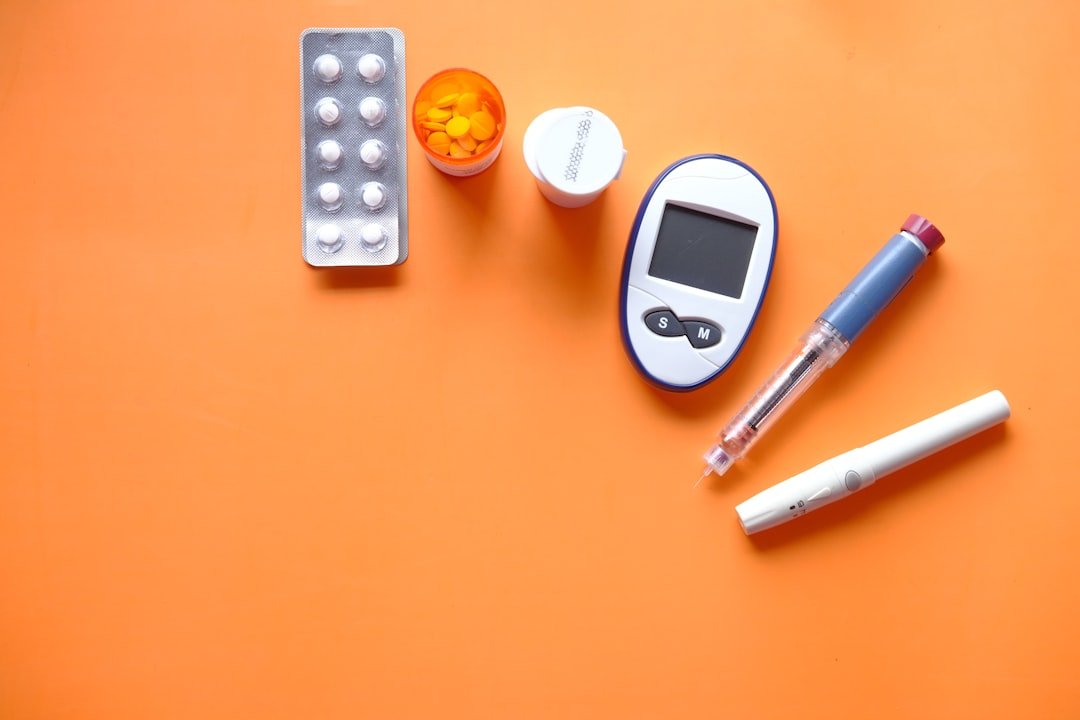
Short answer: Insulin resistance tests usually focus on the consequences of impaired glucose regulation rather than one definitive “insulin resistance number.” A1C, fasting plasma glucose, and the oral glucose tolerance test are established ways to identify prediabetes or diabetes. Fasting insulin and calculated indices can add context in selected cases but are not standardized stand-alone diagnostic tests.
Insulin resistance can develop for years before blood glucose crosses a diagnostic threshold. Testing therefore works best when a clinician combines laboratory results with blood pressure, waist-related risk, lipids, medical history, medications, sleep, and family history.
What is insulin resistance?
Insulin helps glucose move from the bloodstream into cells. With insulin resistance, muscle, fat, and liver cells do not respond as effectively, so the pancreas may produce more insulin to maintain glucose levels. Over time, glucose can rise into the prediabetes or diabetes range if pancreatic compensation is no longer sufficient.
There is no single routine test that captures the entire process in every person. The most appropriate evaluation depends on the question: screening for prediabetes, confirming diabetes, investigating symptoms, or assessing broader metabolic risk.
6 insulin resistance tests and related checks
1. Hemoglobin A1C
A1C estimates average glucose exposure over roughly the prior two to three months and does not require fasting. A result from 5.7% through 6.4% is in the prediabetes range; 6.5% or higher is in the diabetes range. In a person without classic symptoms, an abnormal diagnostic result generally requires confirmation.
A1C can be less reliable with certain anemias, hemoglobin variants, kidney disease, pregnancy, recent blood loss or transfusion, and other conditions affecting red-blood-cell turnover. A different glucose test may be more appropriate in those situations.
2. Fasting plasma glucose
Fasting plasma glucose measures blood sugar after at least eight hours without caloric intake. Values from 100 through 125 mg/dL indicate impaired fasting glucose, a form of prediabetes; 126 mg/dL or higher meets a diabetes threshold when appropriately confirmed.
Illness, medications, stress, sleep, and preparation can influence the result. A clinician should interpret an unexpected value rather than assuming one draw explains the patient’s entire metabolic health.
3. Oral glucose tolerance test
The oral glucose tolerance test measures the response to a standardized glucose drink. A two-hour value from 140 through 199 mg/dL is in the prediabetes range; 200 mg/dL or higher is in the diabetes range. The test can identify impaired glucose tolerance that is not obvious from fasting glucose alone, but it requires more time and preparation.
4. Fasting insulin and HOMA-IR
Fasting insulin is sometimes paired with fasting glucose to calculate the Homeostatic Model Assessment of Insulin Resistance, or HOMA-IR. These measures are widely used in research and may be useful in selected clinical settings, but insulin assays and cutoffs are not standardized enough to serve as a universal diagnostic test.
A “normal” fasting insulin does not rule out future risk, and a high value should not be treated in isolation. The result needs the laboratory method, glucose value, medications, and clinical context.
5. Lipids, liver enzymes, and blood pressure
High triglycerides, low HDL cholesterol, elevated blood pressure, and metabolic dysfunction-associated steatotic liver disease can cluster with insulin resistance. These findings do not diagnose insulin resistance by themselves, but they help define cardiovascular and metabolic risk.
6. Waist measurement and weight history
BMI is a screening measure, not a direct test of insulin resistance. Waist circumference and the pattern of weight gain can add context because abdominal adiposity is associated with cardiometabolic risk. Use the BMI calculator as one data point, not a complete health verdict.
Who should consider glucose screening?
The U.S. Preventive Services Task Force recommends screening adults ages 35 to 70 who have overweight or obesity for prediabetes and type 2 diabetes. Screening may begin earlier or occur outside that range when risk is higher, including a history of gestational diabetes, polycystic ovary syndrome, strong family history, certain medications, or symptoms of hyperglycemia.
Symptoms such as marked thirst, frequent urination, unexplained weight loss, blurred vision, or recurrent infections deserve timely evaluation rather than waiting for routine wellness testing.
How to choose the right test
- Use A1C when a fasting visit is inconvenient and no major condition makes A1C unreliable.
- Use fasting plasma glucose for a direct fasting measurement and when it is part of a broader metabolic panel.
- Consider an oral glucose tolerance test when suspicion remains despite less revealing screening results or when guidelines identify a specific indication.
- Use fasting insulin selectively and avoid treating it as a stand-alone diagnosis.
- Repeat or confirm abnormal diagnostic results according to clinical guidelines.
Magnum’s custom lab testing page allows Texas adults to request selected panels, but ordering more markers is not always better. A focused question and an appropriate interpretation plan make testing more useful.
Frequently asked questions
Can I have insulin resistance with a normal A1C?
Yes. The pancreas may initially produce more insulin to keep glucose in range. A normal A1C does not eliminate all metabolic risk, particularly when other risk factors are present.
Is fasting insulin the best insulin resistance test?
No single fasting-insulin cutoff is universally accepted. It can add context in selected cases, but established glucose-based tests are used to diagnose prediabetes and diabetes.
Do I need to fast for an A1C?
No. A1C does not require fasting. Fasting plasma glucose and fasting insulin do require appropriate preparation.
Can weight loss improve insulin sensitivity?
Often, yes. Physical activity and clinically meaningful weight loss can improve glucose regulation, but results and treatment needs vary. Medication may also be appropriate based on diagnosis and overall risk.
This article is for general educational purposes and does not replace individualized medical advice, diagnosis, or treatment. Diagnostic results require appropriate clinical interpretation and confirmation.