Short answer: An at-home testosterone test may provide a useful first look, but it cannot diagnose low testosterone by itself. Home testosterone test accuracy depends on the sample type, time of collection, lab method, shipping, and how well the directions are followed.
A low home result should usually be reviewed with symptoms and confirmed with properly timed blood testing. A normal result also does not explain every symptom.
How does an at-home testosterone test work?
Most home kits use either a finger-prick blood sample or saliva. The patient collects the sample, seals it, and ships it to a lab. The result is then shown online or sent by mail.
Kits do not all measure the same thing. Some report total testosterone. Some may report free testosterone or other hormones. A saliva testosterone test is different from a blood testosterone test and should not be treated as the same result.
Finger-prick blood vs. blood drawn from a vein
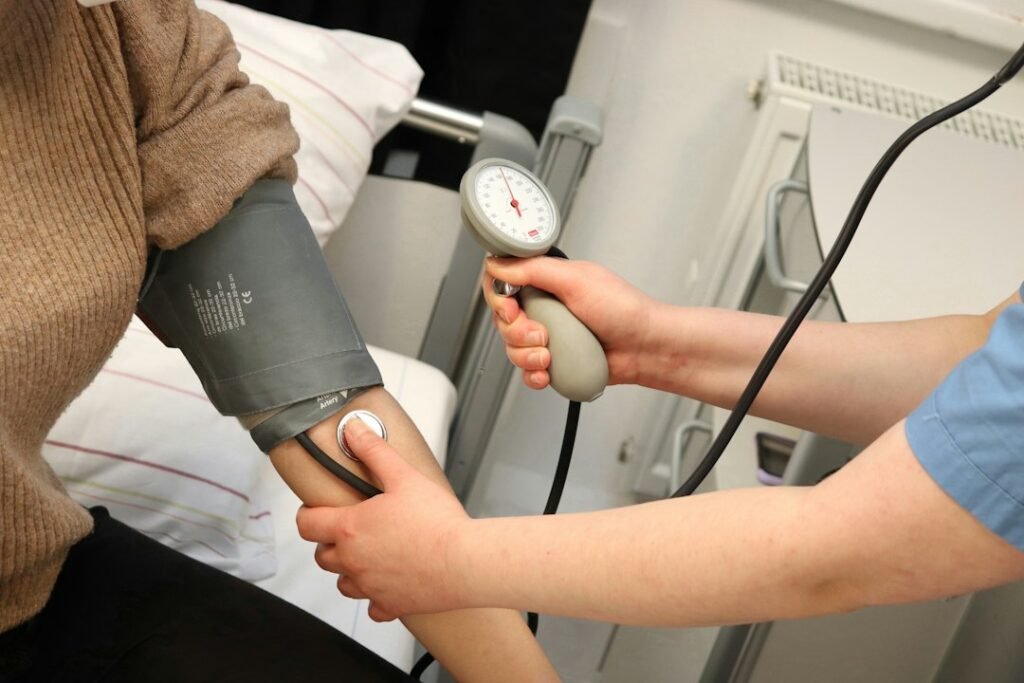
A finger-prick kit uses capillary blood from small vessels near the skin. A medical laboratory usually draws venous blood from the arm. Both are blood, but the collection and handling are different.
Cold hands, poor blood flow, squeezing the finger, touching the card, not filling the sample area, heat, or a shipping delay can affect a home sample. A lab draw reduces some of those problems and is the usual method used to confirm low testosterone.
Saliva testosterone tests have added limits
Saliva contains only a small amount of testosterone. Food, blood from the gums, collection timing, and the test method may affect the result.
A saliva result may be useful in certain research or testing settings, but it is not the usual first test used to diagnose testosterone deficiency in men. Do not compare a saliva number directly with a blood reference range.
Why timing matters
Testosterone is often highest after waking, especially in younger men. Many guidelines recommend a morning testosterone test for the first evaluation. A late-day sample may be lower and could create a misleading result.
Shift workers and men with unusual sleep schedules may need different timing. The best time may be based on when the person normally wakes, not only the clock. Write down when you woke, when the sample was taken, and whether sleep was poor.
One result does not diagnose low testosterone
Testosterone changes from day to day. Illness, poor sleep, severe stress, heavy training, low calorie intake, alcohol, and some medicines can lower it for a short time.
A low testosterone diagnosis usually requires symptoms plus more than one low morning result. The repeat test helps show whether the level is truly low or was affected by a temporary problem.
Total testosterone and free testosterone
Total testosterone is the usual starting test. It includes testosterone bound to proteins plus the small amount that is free. Most testosterone in the blood is bound.
Free testosterone may add useful context when total testosterone is near the edge of the range or does not match symptoms. A protein called SHBG can change the relationship between total and free testosterone. Read our guide to SHBG and testosterone for a plain-language explanation.
Can a home test give a false low result?
Yes. Late collection, poor sleep, recent illness, not eating enough, heavy exercise, and certain medicines may lower the number. A damaged or poorly collected sample may also affect the result.
The answer is not to repeat home kits until one looks normal. A clinician should decide how and when to confirm the result. Testing under similar conditions makes the numbers easier to compare.
Can a home test give a false sense of reassurance?
Yes. A result in range does not rule out every hormone or health problem. It also does not explain symptoms such as fatigue, low sex drive, poor erections, mood change, or loss of strength.
Those symptoms can come from sleep apnea, thyroid disease, anemia, depression, medicine effects, diabetes, relationship stress, or other causes. A home test cannot replace the medical history and exam.
When can home testosterone testing be useful?
A kit may be useful for someone who wants a private first check, lives far from a lab, or wants information before speaking with a clinician. It may help start a useful conversation.
The value is highest when the company explains the sample type, lab method, timing, reference range, and next steps. A result without context can create worry or false confidence.
What should you look for in a test?
- The exact hormone and sample type are clearly listed.
- A certified laboratory processes the sample.
- Collection and shipping steps are easy to follow.
- The company explains the test’s limits.
- The result includes a reference range and lab method.
- There is a path to clinical review for abnormal results.
A polished app or colorful chart does not prove that a test is the right tool for diagnosis.
What confirmatory testing may include
A provider may order a morning total testosterone test from a medical lab and repeat it on a different day if it is low. Free testosterone or SHBG may be added when the total level does not give a clear answer.
LH and FSH may help show whether the signal problem begins in the brain or the testes. Prolactin, thyroid tests, a blood count, blood sugar, or other labs may be selected based on symptoms and history. See our guide to blood tests before TRT.
Do not start treatment from a home result alone
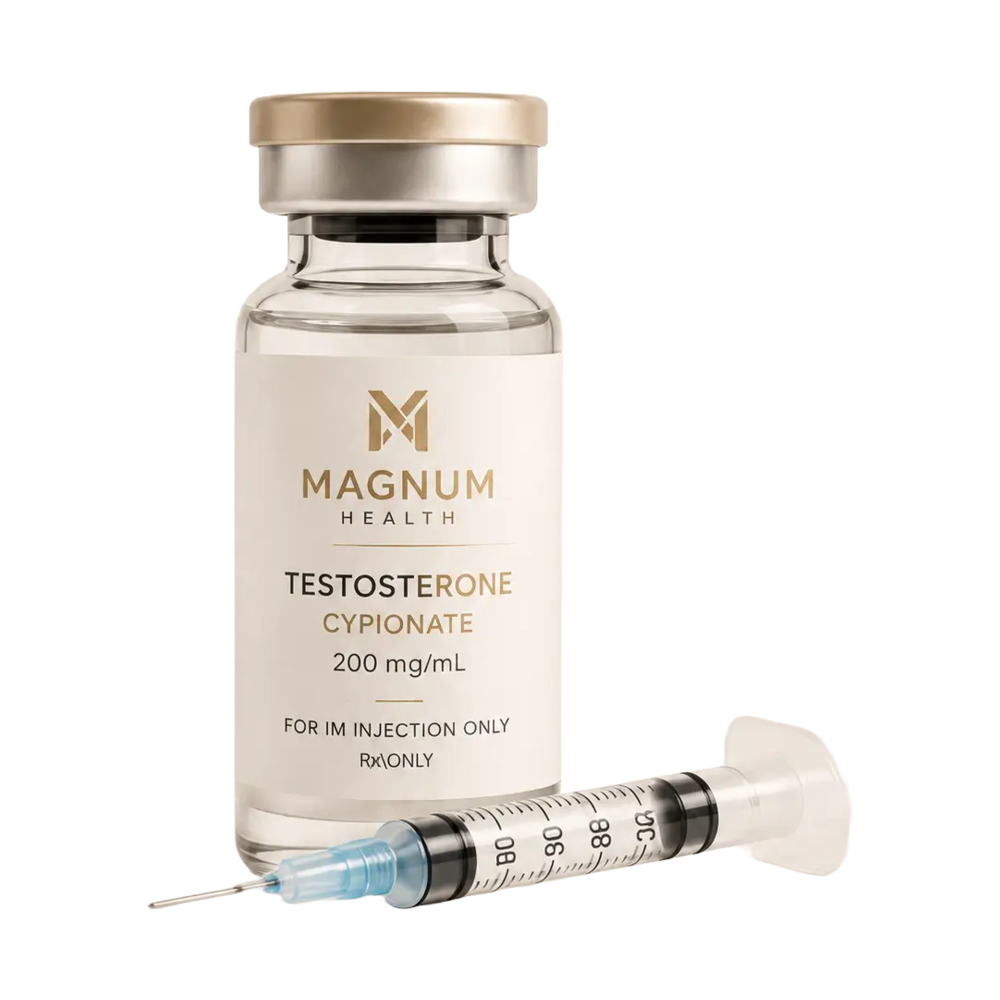
Testosterone treatment can lower sperm production and raise red blood cell levels. It may also affect acne, blood pressure, swelling, sleep apnea, and other health issues.
Starting from one home result can lead to treatment of a temporary or incorrect finding. A licensed clinician should confirm the diagnosis, discuss fertility, review risks, and make a plan for follow-up.
How to prepare for confirmation
Bring the full home report, including the sample type, collection time, lab name, and reference range. Note your sleep, recent illness, food intake, exercise, alcohol, and medicines around the test.
Custom lab testing can help eligible Texas patients confirm a result and choose focused next steps. More tests are not always better; each test should answer a clinical question.
Frequently asked questions
Are at-home testosterone tests accurate?
Some can provide useful information when the sample is collected and handled well. Accuracy still depends on the kit, lab, method, timing, and sample type.
Is a saliva testosterone test the same as a blood test?
No. They measure testosterone in different samples and use different ranges. Saliva is not the usual first method for diagnosing low testosterone in men.
Can I start TRT after one low home test?
No. Symptoms and repeat morning blood results should be reviewed before treatment is considered.
Do I need to fast for a testosterone test?
Not always. Other labs ordered at the same time may require fasting. Follow the instructions from the clinician or lab.
This article is for general educational purposes and does not replace individualized medical advice, diagnosis, or treatment. Home testing should not be used by itself to start, stop, or change prescription treatment.