TRT & HORMONE HEALTH
Written by Malek Haver, MSN, FNP-C
Medically reviewed by Malek Haver, MSN, FNP-C
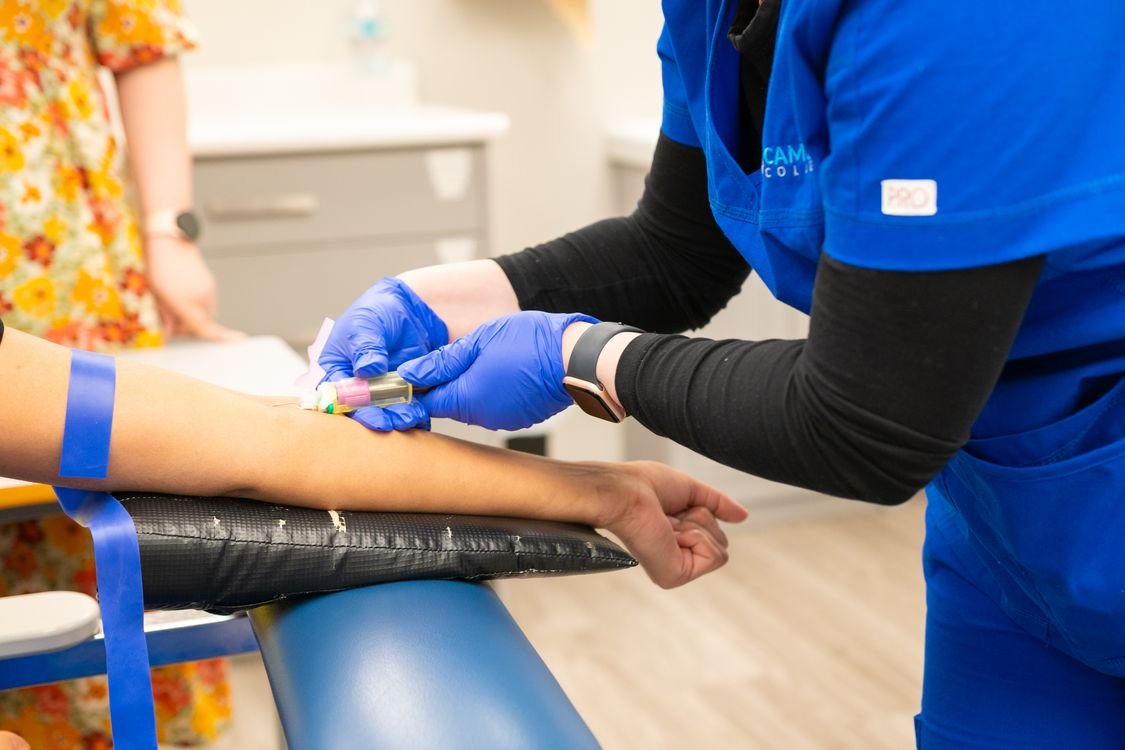
Short answer: Blood tests before TRT help confirm whether symptoms are consistent with testosterone deficiency and establish a baseline for safer treatment. A responsible pre-treatment workup combines medical history with repeat morning testosterone testing, blood counts, and selected hormone and safety markers. The exact panel should be individualized by a licensed clinician.
This guide explains the blood tests before TRT that clinicians commonly consider, why they matter, and how to prepare for testing.
Why laboratory testing matters before TRT
Symptoms such as fatigue, reduced libido, difficulty recovering, mood changes, and loss of muscle mass can occur with low testosterone, but they can also have many other causes. A single abnormal result does not automatically establish testosterone deficiency or mean that TRT is appropriate. That is why blood tests before TRT must be interpreted alongside symptoms rather than in isolation.
The Endocrine Society recommends diagnosing hypogonadism only when a patient has compatible symptoms or signs together with consistently low testosterone concentrations. It also recommends confirming the finding with a repeat morning fasting total testosterone measurement.
8 essential blood tests before TRT
1. Total testosterone
Total testosterone measures the testosterone circulating in the bloodstream, including testosterone bound to proteins. Because testosterone levels vary during the day and can be temporarily affected by poor sleep, acute illness, calorie restriction, and certain medications, clinicians commonly use at least two separate early-morning measurements when evaluating possible deficiency.
The result should be interpreted using the laboratory’s reference range and in the context of the patient’s symptoms, age, health history, and medications.
2. Free testosterone and SHBG
Sex hormone-binding globulin (SHBG) is a protein that binds testosterone. When SHBG is unusually high or low, the total testosterone result may not accurately reflect the amount of testosterone available to tissues.
Free testosterone or a calculated free testosterone measurement can be useful when total testosterone is near the lower end of the reference range, when symptoms and total testosterone do not agree, or when a condition affecting SHBG is suspected. Obesity, diabetes, thyroid disorders, liver disease, aging, and some medications can influence SHBG.
3. Complete blood count
A complete blood count (CBC) measures hemoglobin, hematocrit, red blood cells, white blood cells, and platelets. A CBC is one of the most important blood tests before TRT because testosterone therapy can increase red blood cell production in some patients.
An elevated baseline hematocrit should be evaluated before treatment. Possible contributors can include dehydration, smoking, sleep-disordered breathing, lung disease, living at high altitude, and other medical conditions. Establishing a baseline also gives the treating clinician something meaningful to compare with follow-up testing.
4. Luteinizing hormone and follicle-stimulating hormone
Luteinizing hormone (LH) and follicle-stimulating hormone (FSH) help determine why testosterone is low. Abnormal testosterone production can originate primarily in the testes or result from signaling problems involving the pituitary gland or hypothalamus.
Distinguishing between these patterns can change the evaluation and the treatment discussion. It may also identify patients who need additional testing instead of immediately starting TRT.
5. Prolactin when indicated
Prolactin is not necessarily required for every patient, but it may be appropriate when testosterone is low and LH is low or inappropriately normal, or when symptoms suggest a pituitary-related condition. A substantially abnormal prolactin result may require repeat testing or further evaluation.
6. Prostate-specific antigen when appropriate
Prostate-specific antigen (PSA) testing is considered according to age, individual risk factors, symptoms, previous results, and shared decision-making. It is not a universal one-size-fits-all test for every young patient.
Patients with an abnormal PSA result, concerning prostate symptoms, or relevant examination findings may need additional evaluation before testosterone therapy is considered.
7. Estradiol in selected patients
Estradiol testing may be helpful in patients with breast tenderness, gynecomastia, unusually high estrogen-related symptoms, or certain treatment histories. Routine testing and treatment decisions should be based on the overall clinical picture rather than attempting to force every patient toward the same number.
8. Metabolic and general health testing
Depending on the patient’s history, a clinician may also review a comprehensive metabolic panel, lipid panel, hemoglobin A1c, thyroid testing, or other general health markers. These tests do not diagnose testosterone deficiency, but they can identify conditions that contribute to similar symptoms or affect the overall safety and treatment plan.
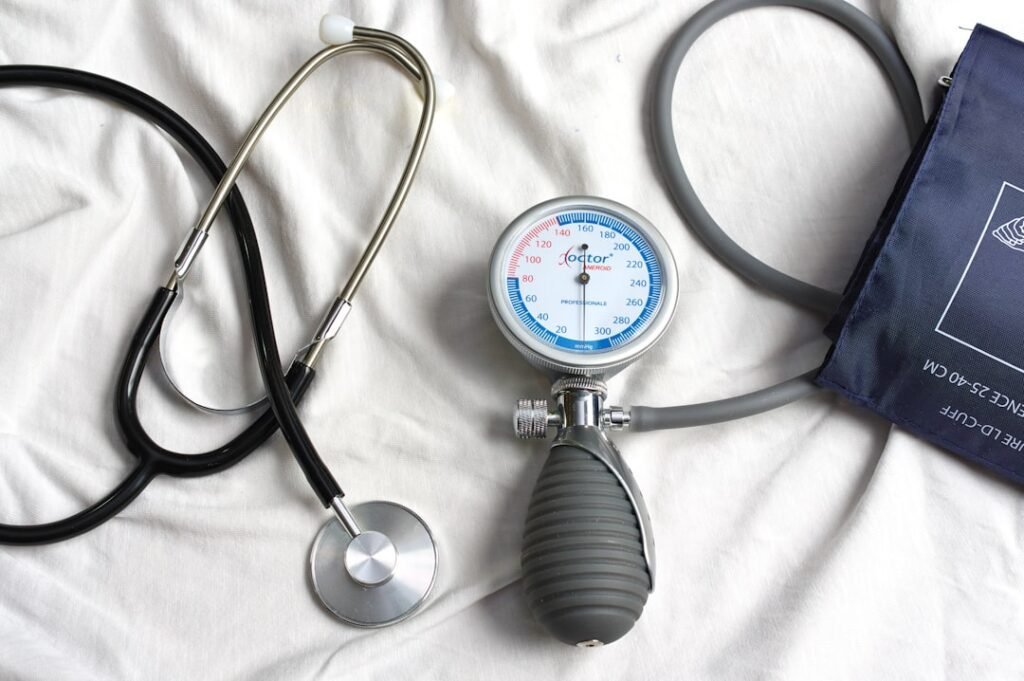
Blood pressure also matters. In 2025, the FDA required class-wide testosterone labeling updates addressing increases in blood pressure, reinforcing the importance of evaluating cardiovascular risk factors and monitoring blood pressure during treatment.
Fertility should be discussed before treatment
Exogenous testosterone can suppress the body’s signaling to the testes and reduce sperm production. Anyone who is currently trying to conceive or wants to preserve fertility should discuss that goal before starting TRT. Depending on the clinical situation, other approaches may be considered.
How to prepare for blood tests before TRT
- Schedule testosterone testing early in the morning unless your clinician gives different instructions.
- Follow any fasting instructions associated with the complete panel.
- Avoid testing during a significant acute illness when possible.
- Bring a complete medication and supplement list.
- Tell the clinician about previous testosterone, anabolic steroid, enclomiphene, clomiphene, hCG, or fertility medication use.
- Discuss symptoms of sleep apnea, urinary problems, cardiovascular disease, blood clots, or fertility concerns.
- If you are already using testosterone, disclose the dose, formulation, injection schedule, and the timing of the blood draw relative to your last dose.
What happens after the results come back?
The provider reviews the results together rather than treating one isolated number. That review should answer three separate questions:
- Are the symptoms and laboratory results consistent with testosterone deficiency?
- Is there an underlying cause that should be evaluated or treated?
- Can testosterone therapy be used safely, and what monitoring plan would be appropriate?
If treatment is prescribed, follow-up TRT lab monitoring is essential. The schedule and tests depend on the patient’s risk factors, treatment formulation, dose, symptoms, and initial results. Monitoring commonly includes testosterone levels, CBC values, blood pressure, clinical response, adverse effects, and prostate-related evaluation when appropriate.
Frequently asked questions
Can TRT be prescribed after only one low testosterone result?
Guidelines generally recommend confirming a low morning testosterone result with a second measurement while also confirming compatible symptoms or signs. Exceptional circumstances should be evaluated individually by the treating clinician.
Do I have to fast for a testosterone test?
Morning fasting testing is commonly recommended when confirming possible testosterone deficiency. Other tests ordered at the same time may also require fasting. Follow the instructions provided for your specific laboratory order.
Does a low testosterone result automatically mean I need TRT?
No. The result must be considered alongside symptoms, repeat testing, medical history, medications, fertility goals, and possible underlying causes. Treatment is prescribed only when clinically appropriate.
Can I use recent laboratory results from another clinic?
Possibly. Their usefulness depends on which tests were completed, how recently they were collected, the time of day, whether the patient was already using hormones, and whether the results provide enough information for a safe evaluation.
Provider-guided TRT in Texas
Magnum Health provides individualized testosterone evaluations for eligible Texas patients. The blood tests before TRT are selected according to the patient’s history, symptoms, risk factors, and existing results. The process includes appropriate laboratory testing, a provider consultation, and ongoing monitoring if treatment is prescribed.
This article is for general educational purposes and does not replace individualized medical advice, diagnosis, or treatment. Eligibility and laboratory requirements vary by patient.