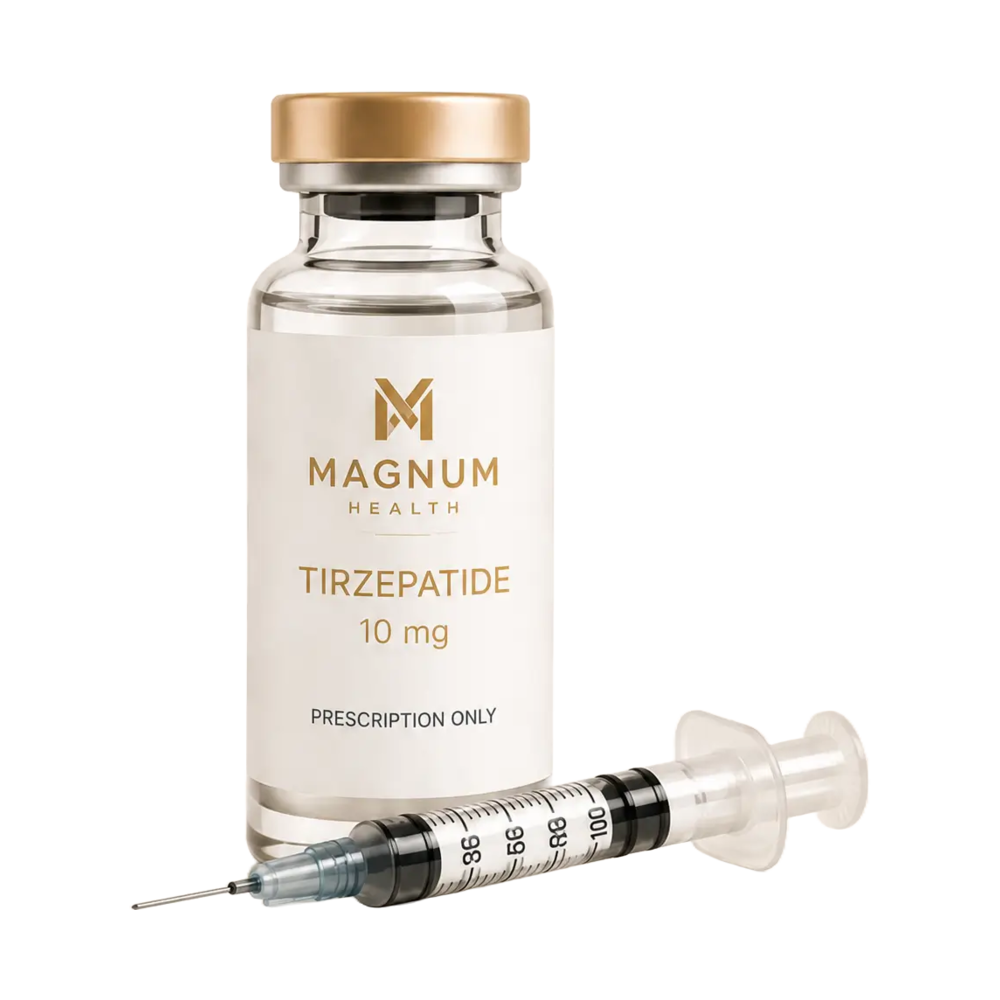
Short answer: Sermorelin side effects are often mild, but treatment still deserves medical screening and follow-up. Common concerns include redness, swelling, itching, or pain where the medication is injected. Some people also report headache, flushing, dizziness, or nausea. Less common problems may involve fluid retention, tingling, changes in blood sugar, or an allergic reaction. The quality of a compounded product matters too.
Sermorelin is sometimes promoted as a simple “anti-aging” peptide. That description leaves out important context. It changes growth hormone signaling, and it is not a routine wellness supplement. A thoughtful plan starts with symptoms, health history, medication review, and appropriate testing.
What is Sermorelin?
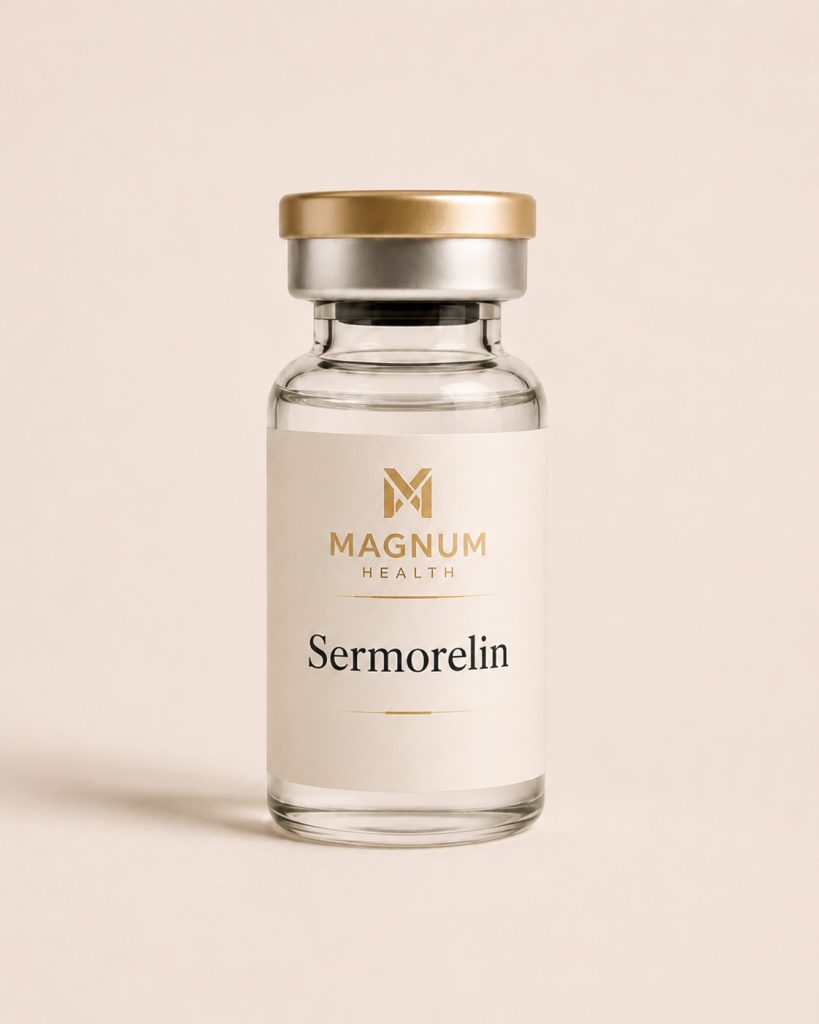
Sermorelin is a lab-made version of part of growth hormone-releasing hormone, often shortened to GHRH. GHRH is a natural signal from the brain. It tells the pituitary gland to release growth hormone. Growth hormone then affects several tissues and helps influence production of insulin-like growth factor 1, or IGF-1.
Sermorelin is not the same as injecting human growth hormone. It asks the pituitary gland to release more of the body’s own growth hormone. That difference may affect how the medication works, but it does not make treatment risk-free.
An older FDA-approved sermorelin product was discontinued from the market. Many sermorelin products used today are compounded. A compounded medication is prepared for an individual patient by a compounding pharmacy. It is not FDA-approved in the same way as a manufactured prescription drug. Patients should understand that difference before treatment.
Common Sermorelin side effects
The most common Sermorelin side effects tend to occur around the injection site. They may include:
- Redness or warmth
- Temporary pain or tenderness
- Itching
- Swelling or a small lump
- Bruising
Rotating injection locations and using the technique taught by the prescribing team may reduce local irritation. A reaction that keeps getting worse, spreads, drains, or comes with fever should be reviewed. It may not be a normal injection-site reaction.
Other reported symptoms can include headache, flushing, dizziness, nausea, sleep changes, or unusual tiredness. These symptoms are not specific to Sermorelin. A provider may need to consider the medication, dose, injection technique, another medicine, or a separate health issue.
Can Sermorelin cause more serious problems?
Serious reactions appear to be less common, but patients should know what requires prompt attention. Trouble breathing, swelling of the face or throat, widespread hives, or fainting may signal a severe allergic reaction and require urgent care.
Changes in growth hormone and IGF-1 signaling may also affect fluid balance and glucose control. New swelling, persistent joint discomfort, numbness or tingling, or worsening blood sugar deserves a medical review. Severe or lasting headaches and new vision changes should not be dismissed.
These symptoms do not prove that Sermorelin caused the problem. They are reasons to stop guessing and contact the prescribing clinician.
Who needs extra caution?
A complete health review matters because Sermorelin may not be a reasonable choice for every person. Tell the provider about a current or past cancer, a known tumor, pituitary disease, diabetes or prediabetes, severe headaches, vision changes, pregnancy, breastfeeding, and every prescription or supplement you take.
Growth hormone pathways can influence cell growth and metabolism. That does not mean Sermorelin causes cancer, but it does mean active cancer or a concerning tumor history should not be ignored. A qualified clinician may decide that treatment is inappropriate or that another specialist should be involved.
People with diabetes or prediabetes may need closer glucose monitoring. People with pituitary disease may also require a more specific hormone evaluation because the pituitary gland is the organ Sermorelin is intended to stimulate.
Why IGF-1 testing may be discussed
IGF-1 is a protein made mainly by the liver in response to growth hormone. Unlike growth hormone, which rises and falls in pulses, IGF-1 is more stable during the day. That makes an IGF-1 blood test one useful part of evaluating this pathway.
An IGF-1 result is not a stand-alone answer. Age, nutrition, liver function, diabetes, other illnesses, and laboratory methods can affect interpretation. A provider may review the result before treatment and again during follow-up, but the timing should fit the patient and the clinical goal.
More testing is not always better. The purpose is to answer a real clinical question, check safety, and avoid pushing a hormone marker outside an appropriate range.
What should follow-up include?
Follow-up should look beyond one lab number. A useful review may include:
- Whether the original symptoms have changed
- Injection-site reactions and technique
- Headache, swelling, joint symptoms, or tingling
- Sleep and energy changes
- Blood sugar concerns when relevant
- IGF-1 or other labs selected by the provider
- Product source, storage, and beyond-use instructions
Patients should use the exact product and directions prescribed for them. Compounded medications can differ in concentration and instructions. A dose written for one vial should not be assumed to match another vial.
What Sermorelin may—and may not—do
Sermorelin is marketed for sleep, recovery, body composition, energy, and healthy aging. Evidence for broad wellness or anti-aging benefits is limited, and results vary. A change in IGF-1 does not guarantee more muscle, less fat, better sleep, or improved athletic performance.
If fatigue, poor sleep, or slow recovery is the concern, other causes may be more likely. Thyroid disease, anemia, low testosterone, sleep apnea, inadequate nutrition, depression, medication effects, and overtraining can produce similar symptoms. A good evaluation should not force every complaint into a growth hormone explanation.
How to reduce avoidable risk
Use a licensed prescriber and a properly licensed pharmacy. Confirm the medication name, concentration, storage temperature, and expiration or beyond-use date. Do not share medication or reuse needles. Contact the clinic if the vial looks different, arrives warm when refrigeration is required, or the instructions do not match the prescription.
Avoid buying peptides labeled “for research use only.” Those products are not intended to diagnose, treat, or prevent disease in patients, and their contents may not match the label.
Questions to ask before starting
- What symptom or clinical problem are we trying to address?
- What evidence supports Sermorelin for that goal?
- Is this product compounded, and which pharmacy prepares it?
- Which Sermorelin side effects should make me call?
- Will IGF-1 or glucose be monitored?
- How will we decide whether treatment is helping?
Frequently asked questions
Is Sermorelin the same as HGH?
No. Sermorelin signals the pituitary gland to release growth hormone. HGH treatment supplies growth hormone directly. Both affect the same broad hormone pathway, but they are different treatments.
Does Sermorelin cause weight loss?
Sermorelin is not an FDA-approved weight-loss medication. Some clinics discuss body-composition goals, but evidence does not support treating it as a guaranteed fat-loss tool. Patients seeking structured weight care should review proven options through a medical weight-loss program.
Are compounded Sermorelin injections FDA-approved?
No. Compounded drugs are not FDA-approved. They may be appropriate for an individual patient when prescribed and prepared under applicable rules, but the FDA does not review them for safety, effectiveness, or manufacturing quality before sale in the same way as approved products.
When should I contact the provider?
Contact the prescribing team for a worsening injection reaction, persistent headache, new swelling, tingling, unusual blood sugar readings, or any symptom that feels severe or unexpected. Seek urgent help for breathing trouble or facial or throat swelling.
This article is for general education and does not replace individualized medical advice, diagnosis, or treatment. Sermorelin may be compounded and is not FDA-approved for anti-aging, general wellness, or weight loss. Eligibility, treatment, and monitoring depend on an individual medical evaluation.