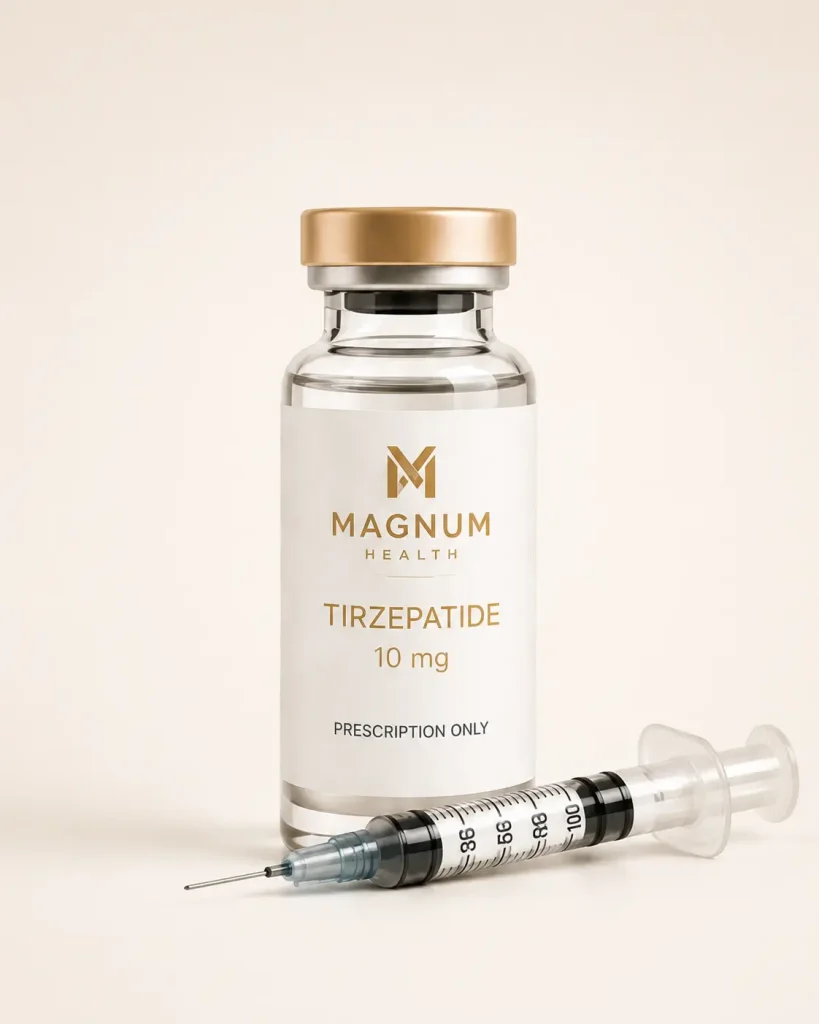
MEDICAL WEIGHT LOSS

Short answer: Stopping GLP-1 medication often allows appetite and biological pressure toward weight regain to return. Clinical trials of semaglutide and tirzepatide show that many participants regained weight after treatment withdrawal, although the amount and timing varied. A planned transition within a medical weight-loss program is safer and more useful than treating the last dose as the end of care.
These medications are used for different conditions. Someone taking a product for diabetes may face rising glucose after stopping, while a person using an obesity medication may be focused primarily on appetite, weight, and cardiometabolic risk. The plan must match the indication and the exact product.
What happens after stopping GLP-1 medication?
GLP-1–based medicines affect appetite, fullness, glucose regulation, and gastric emptying while they are active. When treatment ends, those effects diminish. Hunger may increase, portions may drift upward, and the lower body weight itself can create biological pressure to regain.
This is not a moral failure or proof that someone “did weight loss wrong.” Obesity is a chronic, relapsing condition. Medication may be one component of long-term care, just as it is for blood pressure or cholesterol.
7 critical facts about stopping GLP-1 medication
1. Weight regain is common, but not identical for everyone
In the STEP 1 extension, participants who had received semaglutide 2.4 mg regained, on average, about two-thirds of their prior weight loss during the year after withdrawal. Lifestyle-intervention support had also ended, so the study does not prove that every person will follow the same path.
In SURMOUNT-4, participants who switched from tirzepatide to placebo regained substantial weight during the randomized withdrawal period, while those who continued tirzepatide maintained and extended their weight loss on average.
2. Appetite may return before the scale changes
Early signs can include more food noise, reduced fullness, larger portions, more snacking, or difficulty maintaining the routines that felt easier during treatment. Recognizing those changes early creates an opportunity to adjust the plan before substantial regain occurs.
3. There is no single approved “taper” for everyone
Do not invent a dose-reduction schedule or stretch injections without guidance. Product labeling does not establish one universal taper to prevent regain. The clinician may recommend a specific transition based on side effects, treatment duration, glucose status, medication access, and the reason for stopping.
4. Stopping for a procedure is a different situation
A temporary hold around surgery or deep sedation is not the same as permanently ending obesity treatment. Recommendations can vary with the medication, dose, symptoms, and procedure. Follow instructions from the prescriber and procedural team and confirm how to restart.
5. Diabetes medications require extra planning
If the medicine also supports glucose control, stopping may raise blood sugar. A replacement or monitoring plan may be needed. Do not stop because of online advice, cost, side effects, or a shortage without contacting the treating clinician when diabetes is part of the picture.
6. Maintenance needs structure before the last dose
A practical plan can include regular meal timing, adequate protein and fiber, resistance training, daily movement, sleep support, self-monitoring, and scheduled follow-up. Our protein calculator, TDEE calculator, and calorie deficit calculator can help explain the numbers, but they do not replace individualized care.
7. Restarting should be clinician-guided
After a longer break, returning directly to a previously tolerated high dose may trigger significant gastrointestinal symptoms. Restart instructions are product-specific. A provider should also review why treatment stopped and whether the same medication remains appropriate.
Build a maintenance plan before stopping
- Clarify whether the reason is side effects, cost, pregnancy planning, a procedure, medication availability, or a completed treatment goal.
- Record current weight, waist measurement, blood pressure, symptoms, and relevant laboratory results.
- Set an early threshold for contacting the care team if weight, appetite, or glucose begins to change.
- Keep protein and resistance training central to help protect strength and lean mass.
- Plan follow-up instead of waiting until substantial regain has occurred.
- Discuss alternatives when long-term medication is not affordable or appropriate.
Patients who are still losing can review how to preserve muscle on GLP-1. If progress has slowed, the guide to a weight loss plateau explains why a stall does not automatically mean the medication failed.
Frequently asked questions
Will I regain all the weight after stopping?
Not necessarily, but regain is common in withdrawal studies. Individual results depend on biology, treatment duration, behaviors, follow-up, other medications, and the maintenance strategy.
Can I take a GLP-1 medication forever?
Some patients use chronic weight-management medication long term when it remains effective, tolerated, affordable, and clinically appropriate. Ongoing use should be reassessed rather than assumed.
Is weight regain caused by a slow metabolism?
Energy needs generally fall after weight loss, and appetite-regulating signals can favor regain. Metabolism is one part of a larger biological and behavioral picture.
What if I stopped because of side effects?
Contact the prescriber. The next step may involve symptom treatment, a lower or delayed dose, a different medication, or stopping—depending on severity and safety. Review GLP-1 side effects for red flags.
This article is for general educational purposes and does not replace individualized medical advice, diagnosis, or treatment. Do not stop or restart a prescription medication without guidance from the treating clinician.