TRT & HORMONE HEALTH
Short answer: Testosterone and blood pressure should be monitored together because testosterone products can raise blood pressure in some patients. The FDA required class-wide labeling changes in 2025 after ambulatory blood-pressure studies confirmed an increase across testosterone products.
That warning does not mean every patient will develop hypertension or that properly prescribed TRT is unsafe for everyone. It does mean baseline cardiovascular risk, blood-pressure technique, follow-up, and dose selection belong in a responsible treatment plan.
Why testosterone and blood pressure are connected
Testosterone therapy can influence fluid balance, vascular function, body composition, sleep-disordered breathing, and red-blood-cell production. These factors do not affect every person in the same way, and blood pressure can also change because of stress, pain, caffeine, nicotine, sleep loss, medications, or an incorrectly sized cuff.
A single high reading is therefore not enough to diagnose a pattern. Repeated measurements and clinical context are more useful.
6 essential facts about testosterone and blood pressure
1. Baseline blood pressure matters
Blood pressure should be reviewed before treatment, particularly when a patient already has hypertension, cardiovascular disease, kidney disease, obstructive sleep apnea, or several metabolic risk factors. Uncontrolled blood pressure may need attention before or alongside hormone treatment.
2. The FDA warning is class-wide
In February 2025, the FDA announced labeling changes for testosterone products after required postmarket ambulatory blood-pressure studies. The agency reported that completed studies confirmed an increase in blood pressure with testosterone use across the class. Product-specific labeling should guide the discussion because route, dose, and individual response still matter.
3. Cardiovascular events and blood pressure are not the same question
The TRAVERSE trial evaluated men with symptoms and confirmed hypogonadism who had preexisting cardiovascular disease or elevated risk. Testosterone gel was noninferior to placebo for the primary composite of major cardiovascular events during the trial. That result provides important reassurance for appropriately selected patients, but it does not erase the need to monitor blood pressure or other adverse effects.
4. Home readings can improve the picture
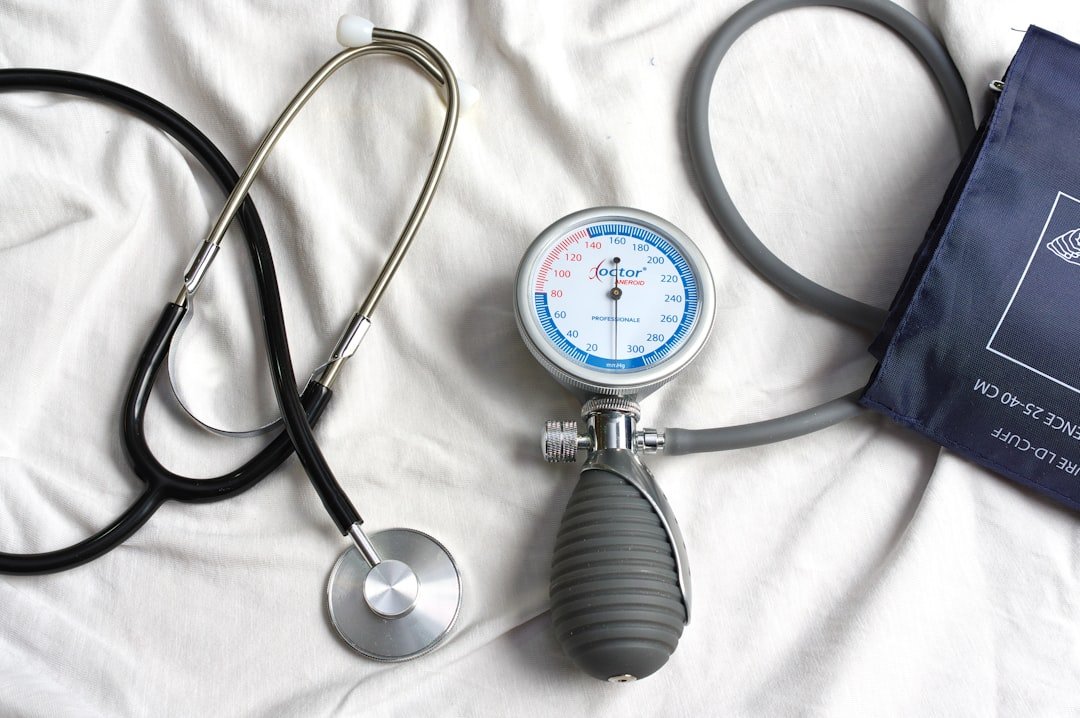
When a clinician recommends home monitoring, use a validated upper-arm device and the correct cuff size. Sit quietly with back supported, feet flat, and the arm supported near heart level. Avoid measuring immediately after exercise, caffeine, nicotine, or a stressful commute. Record several readings at consistent times rather than reacting to one number.
5. Other TRT-related findings can coexist
Testosterone can increase hematocrit, but a higher hematocrit and higher blood pressure are separate findings that require their own interpretation. Sleep apnea, weight gain, medication interactions, and fluid retention can also influence the overall risk picture. Our guides to high hematocrit on TRT and sleep apnea and low testosterone explain those connections in more detail.
6. Treatment adjustments should be individualized
A clinician may confirm the blood-pressure pattern, review technique and other medications, assess testosterone levels and dosing, and address lifestyle or medical contributors. Depending on the situation, the response may include closer monitoring, treatment of hypertension, changing the testosterone plan, or pausing therapy while a concerning issue is evaluated.
What should be monitored during TRT?
A follow-up plan can include symptoms, adverse effects, testosterone concentration at the appropriate point in the dosing interval, CBC and hematocrit, blood pressure, and prostate-related review when appropriate. The exact schedule depends on the formulation, dose, baseline findings, and clinical response.
Monitoring should assess whether treatment is helping—not only whether a laboratory value moved. Review the full TRT lab monitoring guide for the major checkpoints used during treatment.
When to contact a clinician
Report a sustained increase in home readings, new ankle swelling, worsening headaches, palpitations, or reduced exercise tolerance. Seek urgent care for chest pain, severe shortness of breath, fainting, new weakness or numbness, confusion, or other symptoms that could signal a cardiovascular emergency.
Practical questions to bring to follow-up
- What was my blood pressure before treatment, and what pattern are we seeing now?
- Is my home cuff validated and appropriately sized?
- Could sleep apnea, pain, stimulants, alcohol, or another medication be contributing?
- When should my testosterone level be drawn relative to my dose?
- Do my CBC and hematocrit results change the plan?
- What readings or symptoms should trigger a call?
Frequently asked questions
Does TRT always raise blood pressure?
No. The average effect and individual response vary, but the FDA found enough consistent evidence to require class-wide warning language. Monitoring is appropriate even when baseline pressure is normal.
Can I continue TRT if I have hypertension?
Possibly. The decision depends on how well blood pressure is controlled, other risks, treatment benefit, and the clinician’s assessment. Hypertension should not be ignored or managed by changing TRT without medical guidance.
Is wrist-cuff blood pressure accurate?
Upper-arm devices are generally preferred for routine home monitoring. If a wrist device is used, positioning becomes especially important. Bring the device to a visit if you want it compared with a clinic measurement.
This article is for general educational purposes and does not replace individualized medical advice, diagnosis, or treatment. Seek urgent care for symptoms of a cardiovascular emergency.