Short answer: Oral testosterone replacement therapy and testosterone injections can both treat confirmed testosterone deficiency in eligible men. Oral testosterone offers a pill instead of a shot. Injections are familiar, flexible, and often less costly. The best form depends on diagnosis, blood pressure, fertility plans, side effects, cost, and the ability to complete regular monitoring.
Neither option is a general energy booster. Testosterone therapy should begin only after symptoms and repeat lab testing support the diagnosis and other causes have been considered.
What is oral testosterone replacement therapy?
Modern oral TRT products contain testosterone undecanoate. This form is designed to enter the body through the gut and lymph system. It differs from older modified oral androgens that were linked to more liver harm.
Several FDA-approved oral products are available. Each has its own strength, food directions, dose plan, and lab timing. A patient should not change brands or copy a dose from an online chart.
How do testosterone injections work?
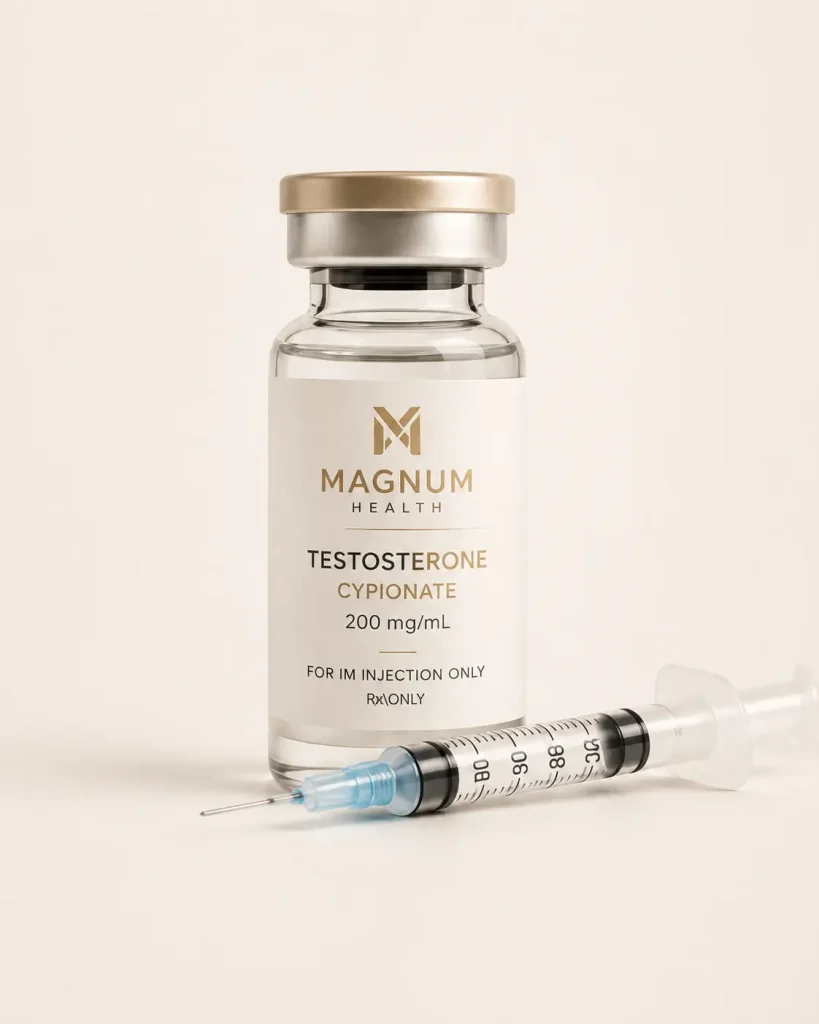
Injectable TRT often uses testosterone cypionate or enanthate. It may go into muscle or under the skin. The level rises after a shot and then falls. Dose size and timing shape that pattern, so lab timing matters.
Oral testosterone vs. injections
| Feature | Oral testosterone | Testosterone injections |
|---|---|---|
| How it is used | Capsule taken on a product-specific schedule. | Shot given on a prescribed schedule. |
| Main appeal | No needles and easy travel for some patients. | Flexible schedules, broad experience, and often lower cost. |
| Level pattern | Daily peaks and falls tied to each dose and absorption. | Peaks and falls depend on the dose and time between shots. |
| Main practical concern | Daily use, food directions, cost, and blood pressure. | Injection skill, discomfort, supplies, and correct lab timing. |
Convenience is personal. One person may prefer a daily pill. Another may prefer a weekly shot over remembering medicine every day.
Who may be considered for TRT?
Most guidelines call for both compatible symptoms and consistently low testosterone levels. Symptoms may include lower sex drive, fewer morning erections, erectile problems, reduced energy, loss of strength, anemia, or lower bone density. These concerns are not specific to low testosterone.
Testing is usually done in the morning and repeated on another day when the first result is low. Total testosterone is the common starting test. Free testosterone and sex hormone-binding globulin, or SHBG, may help when the total result does not fit the symptoms.
A provider should also look for the cause. Sleep apnea, obesity, severe illness, poor sleep, opioid use, pituitary disease, and some medicines can lower testosterone. Treating the cause may be more useful than starting TRT right away.
Does oral testosterone harm the liver?
This question comes from the history of older oral androgens. Some were chemically changed so they could survive the liver, and that change was linked to liver injury.
Modern testosterone undecanoate products use a different absorption route and were designed to reduce that first-pass liver exposure. That does not mean every oral product is identical or free of risk. Patients should use only an FDA-approved or properly prescribed product and follow the current label.
Liver disease, alcohol use, supplements, and other medicines may still affect the overall plan. A provider can decide whether liver tests or another form of treatment makes more sense.
Blood pressure and oral testosterone
Oral testosterone undecanoate products can raise blood pressure. Even a modest rise may matter for a person with high blood pressure, heart disease, kidney disease, or several cardiovascular risks.
Blood pressure should be checked before treatment and during follow-up. New headaches, chest symptoms, shortness of breath, or home readings that stay above the goal should be reported. The prescriber may adjust blood pressure treatment, change the TRT plan, or stop therapy.
Injections are not automatically risk-free for the heart. The full decision should consider blood pressure, hematocrit, symptoms, age, smoking, diabetes, cholesterol, and medical history.
Hematocrit and red blood cells
Testosterone can increase red blood cell production. The hematocrit is the share of blood made up of red blood cells. If it rises too much, the blood becomes more concentrated and treatment may need to change.
A complete blood count is usually checked before TRT and again during treatment. Dehydration, smoking, sleep apnea, altitude, and other conditions can also raise hematocrit. The result should not be blamed on TRT without context.
Learn more about TRT lab monitoring and why the schedule must fit the formulation.
Other side effects of oral and injectable TRT
Both forms can cause acne, breast tenderness, swelling, mood changes, worse sleep apnea, and a lower sperm count. Shots can also cause pain, bruising, or infection. Testosterone may raise PSA or worsen urinary symptoms in some men. Screening depends on age, risk, and symptoms. Chest pain, breathing trouble, or one-sided weakness needs urgent care.
TRT and fertility
Oral testosterone and injections can both reduce sperm production. The brain senses the added testosterone and lowers the signals that tell the testes to make testosterone and sperm.
A man who wants children soon should say so before starting therapy. Stopping later does not promise a quick or complete return of fertility. A fertility-conscious plan may involve a different treatment and, when appropriate, semen testing or specialist care.
How treatment is monitored
Follow-up often reviews:
- Testosterone level at the right time for the product.
- CBC and hematocrit.
- Blood pressure.
- Symptoms and side effects.
- PSA or prostate concerns when appropriate.
- Sleep apnea symptoms, swelling, and cardiovascular risks.
- Adherence, food instructions, or injection technique.
The goal is not the highest possible testosterone number. The goal is improvement in appropriate symptoms while keeping the level and safety markers in a reasonable range.
Cost and access
Generic injections are often less costly. Oral TRT may cost more or need prior approval. Compare the drug, visits, labs, supplies, and follow-up. Our TRT cost in Texas guide explains the full program cost.
Which option may fit you?
Oral TRT may fit someone who wants to avoid needles and can follow daily directions. Shots may fit someone who values lower cost and accepts injections. Neither route fixes a weak diagnosis. Confirm low testosterone, discuss fertility, and agree on follow-up first.
Frequently asked questions
Are testosterone pills as effective as injections?
Both can raise testosterone in appropriate patients. Individual response, absorption, dose, and adherence affect the result. Effectiveness also means symptom benefit and safe monitoring, not only a lab number.
Is oral testosterone safer than injections?
Not in every case. The risks overlap, while some differ. Blood pressure is a key concern with oral testosterone. Injections may cause larger peaks, injection reactions, and timing challenges.
Can oral testosterone protect fertility?
No. It is still outside testosterone and can suppress the hormones needed for sperm production. Route does not remove the fertility risk.
Can I switch from injections to oral TRT?
Yes, some patients can switch under medical care. The prescriber must select the product and starting plan, stop overlap, and schedule labs based on the new form. Do not convert the dose on your own.
This article is for general educational purposes and does not replace medical advice. TRT requires confirmed testosterone deficiency, individual screening, a prescription, and follow-up. Product labels and monitoring needs differ.