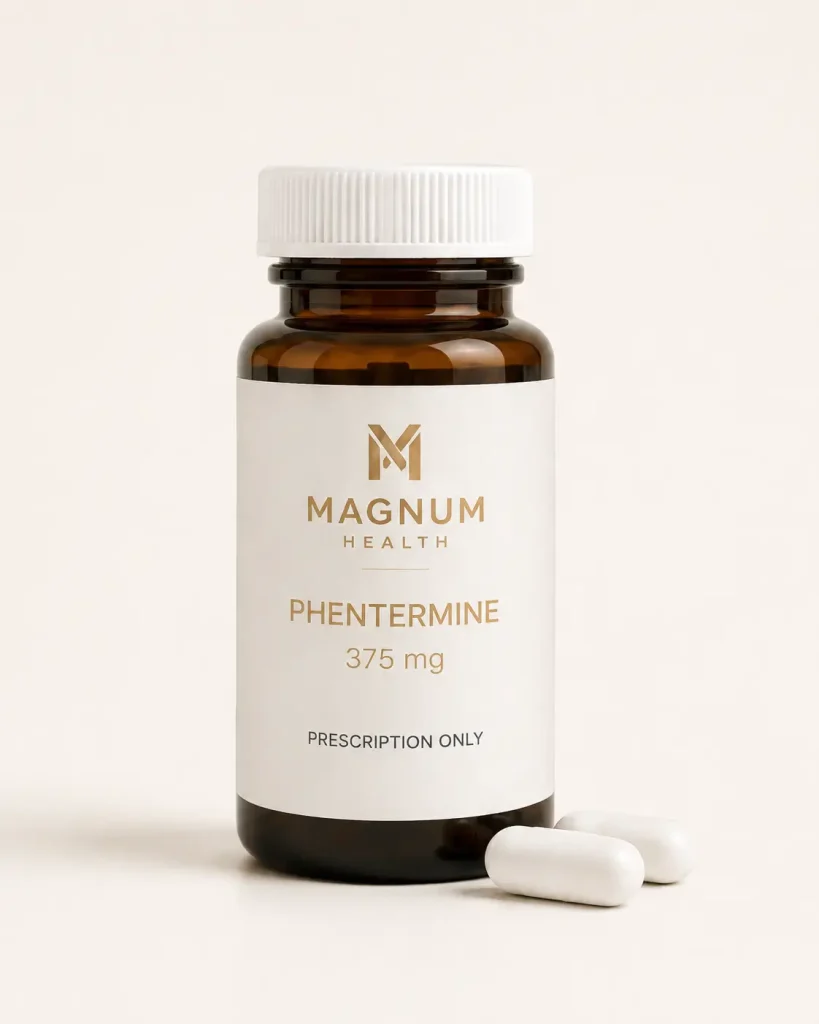
Short answer: Phentermine can cause dry mouth, constipation, poor sleep, restlessness, and a faster pulse. Blood pressure may also rise. Chest pain, fainting, severe breathing trouble, or major changes in mood need prompt medical care.
Phentermine is a prescription stimulant used for short-term weight loss. It is only for eligible patients and needs follow-up. Treatment also includes changes in food and activity. It is not safe for everyone.
1. Dry mouth and constipation are common
Dry mouth is one of the most frequently reported effects. Sipping water, using sugar-free gum, and maintaining dental care may help. Severe thirst with frequent urination can have other causes and should be reported.
Water, gradual fiber changes, and regular movement may ease constipation. Ask before combining laxatives. Severe belly pain, vomiting, a swollen belly, or trouble passing stool or gas needs medical care.
2. Insomnia can affect the entire plan
Phentermine can make it harder to fall asleep, especially when taken later in the day. Follow the prescribed timing and avoid adding excess caffeine or other stimulants. Poor sleep can worsen hunger, blood pressure, mood, and recovery.
If insomnia continues, tell the prescriber. Do not double a dose after missing one, and do not change the schedule without instructions.
3. Heart rate and blood pressure may rise
Phentermine stimulates the nervous system. You may notice a faster pulse, a pounding heartbeat, or higher blood pressure. Before treatment, your clinician should review your heart history, pulse, and blood-pressure readings.
People with a history of heart disease, stroke, abnormal heart rhythms, heart failure, or uncontrolled high blood pressure should not use phentermine. Even mild high blood pressure needs caution. Your clinician may ask you to check your blood pressure at home.
4. Mood and nervous-system effects matter
You may feel restless, anxious, shaky, dizzy, or more irritable. Headaches can occur too. Severe confusion, agitation, seeing or hearing things that are not there, or losing touch with reality needs urgent review. Tell your clinician about major changes in mood or behavior.
Phentermine is a controlled substance with a risk of misuse. Take only the amount prescribed and store it safely. A history of drug abuse rules it out under the label. Discuss any personal or family substance-use concerns with your prescriber.
5. Certain combinations are unsafe
Do not take phentermine while using an MAOI medicine or within 14 days after stopping one. MAOI stands for monoamine oxidase inhibitor; these medicines are often used for depression. The combination can cause a dangerous blood-pressure rise. Your clinician should also check other antidepressants, stimulants, cold medicines, thyroid medicines, and supplements.
The label does not recommend combining phentermine with other weight-loss drugs, over-the-counter weight-loss products, or certain antidepressants. The safety and benefit of these combinations have not been established. Tell your prescriber about all medicines and supplements. Do not build a “stack” from online advice.
6. Pregnancy and breastfeeding are contraindications
Do not use phentermine during pregnancy or while breastfeeding. Weight loss during pregnancy can harm the baby. Tell your prescriber if you are pregnant, may be pregnant, or are planning a pregnancy.
Phentermine should also not be used with an overactive thyroid, glaucoma, severe agitation, or an allergy to this type of stimulant medicine. Tell your clinician about your full health history before treatment.
7. Know the urgent warning signs
Stop phentermine and get urgent help for new chest pain, fainting, unexplained shortness of breath, or new leg swelling. Call 911 for severe chest pain, severe breathing trouble, signs of stroke, or a severe allergic reaction. A drop in exercise tolerance also needs prompt review.
Call your prescriber for a racing heart that lasts, repeated high blood-pressure readings, a severe headache, or major mood changes. Also call if side effects make it hard to eat, drink, or sleep.
What if phentermine stops feeling effective?
Phentermine may stop curbing appetite as strongly over time. That is called tolerance. The label says to stop rather than raise the dose to overcome it; discuss this with your prescriber. A weight plateau can also relate to sleep, food, activity, or fluid changes.
Our guide to a weight-loss plateau explains why the answer is not always more medication. Review progress with the prescribing clinician.
How long is phentermine used?
Phentermine alone is FDA-approved for short-term use, described in the label as a few weeks. Some clinicians prescribe it longer; that is off-label and needs a clear discussion of risks and follow-up. Reviews should check weight, blood pressure, pulse, sleep, mood, side effects, and whether treatment still helps.
Phentermine is one of several possible options. Our medical weight loss in Texas guide explains how provider-led care compares options rather than treating one medicine as right for everyone.
Can lifestyle habits reduce side effects?
They may help with milder effects. Take the medicine at the prescribed time, keep a consistent sleep schedule, limit extra stimulants, drink fluids, increase fiber gradually, and plan balanced meals. Do not use alcohol or sedatives to “cancel out” stimulation.
Use the TDEE calculator only as an estimate. Very aggressive restriction can worsen dizziness, fatigue, and constipation.
Frequently asked questions
What is the most common side effect of phentermine?
Dry mouth, constipation, insomnia, restlessness, and a faster heart rate are commonly reported. Individual effects vary.
Can phentermine raise blood pressure?
Yes. It can raise blood pressure and heart rate, so screening and follow-up are important. It is contraindicated with uncontrolled hypertension or a history of certain cardiovascular diseases.
Can I drink coffee while taking phentermine?
Caffeine may add to jitteriness, insomnia, palpitations, or blood-pressure changes. Ask the prescriber what amount is appropriate for you.
Should I increase the dose if phentermine stops working?
No. Do not increase it on your own. Current labeling advises stopping rather than exceeding the recommended dose to overcome tolerance.
This article gives general information and does not replace medical advice. Phentermine needs a prescription and follow-up. Emergency symptoms need urgent care.