TRT & HORMONE HEALTH
Written by Malek Haver, MSN, FNP-C
Medically reviewed by Malek Haver, MSN, FNP-C

Short answer: Online TRT in Texas can include a telehealth consultation, properly timed laboratory testing, diagnosis by a licensed clinician, electronic prescribing when medically appropriate, and scheduled monitoring. It should be a real medical process—not an automatic prescription based on an online questionnaire.
Telemedicine can make care easier to access, but the clinical standard does not disappear when the visit happens by video. Texas law applies the same standard of care to telemedicine as to an in-person medical service. Houston-area patients can also review our Houston testosterone clinic page.
How online TRT in Texas works
1. Medical intake and identity verification
The process begins with health history, symptoms, current medications and supplements, prior testosterone or anabolic steroid use, and relevant diagnoses. Patients should disclose cardiovascular disease, blood clots, prostate concerns, sleep apnea symptoms, fertility goals, and previous abnormal laboratory results.
2. A licensed-provider evaluation
A clinician reviews whether low testosterone symptoms are consistent with testosterone deficiency and whether telehealth is suitable for the evaluation. The visit is also a chance to identify other likely causes of fatigue, libido changes, mood concerns, or altered body composition.
3. Proper laboratory testing
Diagnosis generally requires symptoms plus consistently low testosterone concentrations, confirmed with repeat morning testing. Additional baseline testing may include a complete blood count, LH, FSH, SHBG or free testosterone, and selected prostate or metabolic markers. Read our detailed guide to blood tests before TRT for context.
4. Diagnosis and shared decision-making
Once results are available, the provider reviews the numbers in context. The discussion should cover the likely cause, treatment alternatives, fertility effects, realistic goals, risks, administration options, TRT cost, and the follow-up plan.
5. Prescribing when clinically appropriate
A prescription is not guaranteed. When the diagnosis is supported and treatment can be used safely, a Texas-licensed provider may prescribe within applicable state and federal requirements. The exact visit format and prescribing process can change with law, regulation, the medication, and individual clinical needs.
6. Ongoing monitoring
Online TRT in Texas still requires follow-up. The clinician assesses symptom response, adverse effects, blood pressure, testosterone levels, hematocrit, and other patient-specific markers. Dose changes should be based on the complete picture rather than one number.
What legitimate telehealth care should include
- A clearly identified licensed clinician
- A meaningful medical evaluation
- Appropriate baseline and confirmation testing
- A way to ask questions and report side effects
- Transparent medication and pharmacy information
- A defined monitoring and refill process
- Referral or in-person care when telehealth is not enough
Red flags to avoid
Be cautious with services that promise treatment before reviewing laboratory results, market testosterone as a cure-all, ignore fertility, use the same dose for everyone, or offer no clear follow-up. A polished website does not replace a valid practitioner-patient relationship.
Patients should also know whether the medication is an FDA-approved commercial product or a compounded preparation and which pharmacy will dispense it.
Who may need in-person or specialist evaluation?
Telehealth may not be sufficient for every situation. Concerning prostate findings, severe symptoms, suspected pituitary disease, marked blood-count abnormalities, active fertility problems, or urgent cardiopulmonary symptoms may require examination, imaging, specialty care, or emergency evaluation.
Frequently asked questions
Can TRT be prescribed from one low result?
Guidelines generally call for repeat morning testing along with compatible symptoms or signs. A provider should explain any exception based on the clinical situation.
Can recent labs be used?
Possibly. The clinician must determine whether the tests are complete, recent, correctly timed, and suitable for diagnosis and safe prescribing.
Does online care mean no laboratory visits?
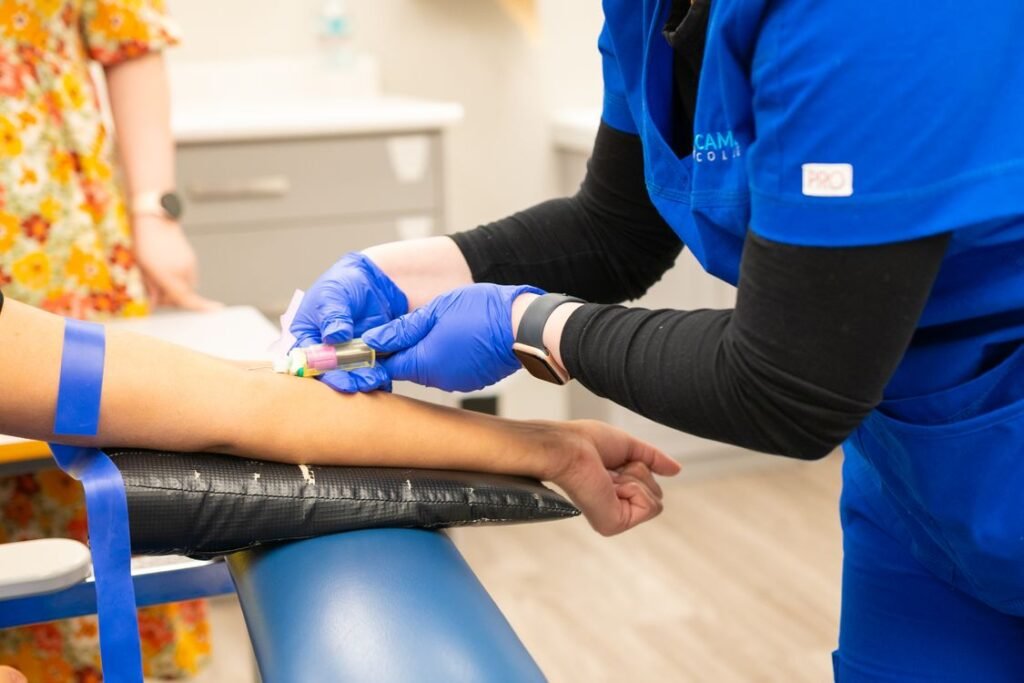
No. Blood samples are still collected by an appropriate laboratory or clinical facility. The consultation and follow-up may happen remotely.
This article is for general educational purposes and does not replace individualized medical advice, diagnosis, or treatment. Testing and treatment decisions vary by patient.