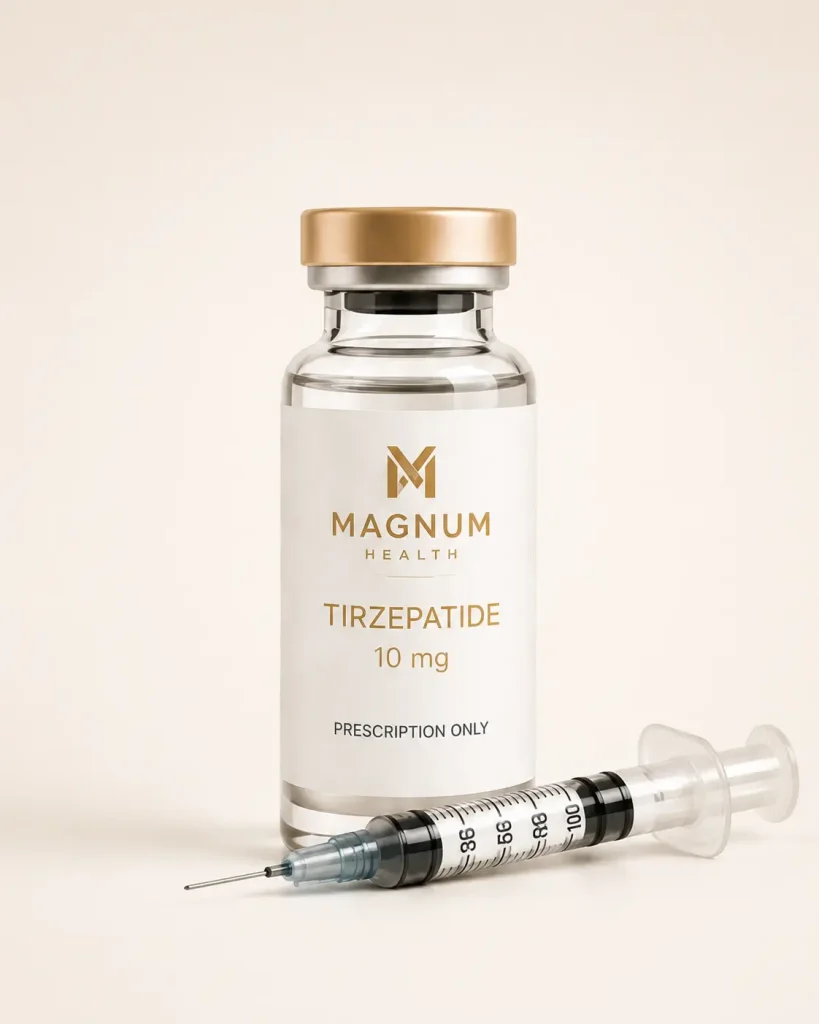
MEDICAL WEIGHT LOSS

Short answer: Semaglutide and tirzepatide are once-weekly injectable medications used in specific FDA-approved products for chronic weight management. Semaglutide activates the GLP-1 receptor; tirzepatide activates GIP and GLP-1 receptors. The semaglutide vs tirzepatide choice depends on eligibility, health history, tolerability, medication access, goals, and provider judgment.
Both medications can reduce appetite and support meaningful weight loss when combined with nutrition, activity, and ongoing care. Neither is a shortcut, and neither is appropriate for every patient.
Semaglutide vs tirzepatide at a glance
Wegovy is an FDA-approved semaglutide product for chronic weight management in eligible adults and certain adolescents. Zepbound is an FDA-approved tirzepatide product for chronic weight management in eligible adults. Other brand names or formulations may have different indications.
Compounded products are not FDA-approved. The FDA does not review them for safety, effectiveness, or quality before marketing, so patients should understand exactly what product and pharmacy are involved.
8 differences to understand
1. Hormone-receptor activity
Semaglutide is a GLP-1 receptor agonist. Tirzepatide activates both GIP and GLP-1 receptors. These pathways influence appetite, food intake, digestion, and blood glucose regulation.
2. FDA-approved products and indications
Each active ingredient appears in different branded products. Indications can differ between weight management, diabetes, cardiovascular risk reduction, and sleep apnea. The prescribed product—not only the ingredient name—matters.
3. Dose-escalation schedule
Both therapies usually begin at a lower dose and increase gradually. Their dose steps are not interchangeable. Escalation may be delayed when gastrointestinal symptoms are significant, and the highest labeled dose is not automatically the right maintenance dose for every patient.
4. Average weight-loss outcomes
Clinical trials show substantial average weight loss with both medications, with higher average reductions reported in some tirzepatide studies. Trial averages do not predict one person’s result, and comparisons across different trials have limitations.
5. Side-effect pattern
Nausea, diarrhea, vomiting, constipation, and abdominal discomfort are common with both. Symptoms may be more noticeable after starting or increasing a dose. Persistent vomiting, inability to maintain fluids, severe abdominal pain, or signs of an allergic reaction require prompt guidance.
6. Health-history considerations
Both labels include important warnings and contraindications, including a boxed warning related to thyroid C-cell tumors observed in rodents. A personal or family history of medullary thyroid carcinoma or multiple endocrine neoplasia syndrome type 2 must be discussed. Pregnancy, pancreatitis history, gallbladder disease, kidney problems, severe gastrointestinal disease, and diabetes medications can also affect the plan.
7. Medication interactions and glucose risk
When either medication is combined with insulin or a sulfonylurea, hypoglycemia risk may increase and the diabetes regimen may need adjustment. Delayed gastric emptying may also affect how some oral medications are absorbed.
8. Access, coverage, and continuity
Insurance rules, supply, pharmacy options, and cost can determine whether treatment is sustainable. A clinically sound plan includes what to do if access changes rather than relying on interrupted, improvised dosing.
How a provider chooses between them
The semaglutide vs tirzepatide decision should begin with indication and contraindications. A provider reviews weight history, previous attempts, current medications, diabetes status, cardiovascular disease, sleep apnea, gastrointestinal history, pregnancy plans, and patient preferences.
The goal is not simply the largest possible weekly dose. It is a treatment the patient can tolerate, access, and use within a broader plan for adequate nutrition, protein, resistance activity, sleep, and follow-up. Eligible Texas adults can explore Magnum Health’s medical weight loss program. If a medication change is being considered, review our guide to switching from semaglutide to tirzepatide.
Frequently asked questions
Can semaglutide and tirzepatide be used together?
No. Their prescribing information does not recommend combining them with each other or with another GLP-1 receptor agonist.
Is one medication always stronger?
Population averages can differ, but individual response and tolerability vary. The better option is the one that is clinically appropriate and sustainable for that patient.
Can I switch between them?
A clinician may recommend a change in some situations, but the timing and starting dose require individualized instructions. Milligram doses should never be treated as equivalent.
This article is for general educational purposes and does not replace individualized medical advice, diagnosis, or treatment. Testing and treatment decisions vary by patient.