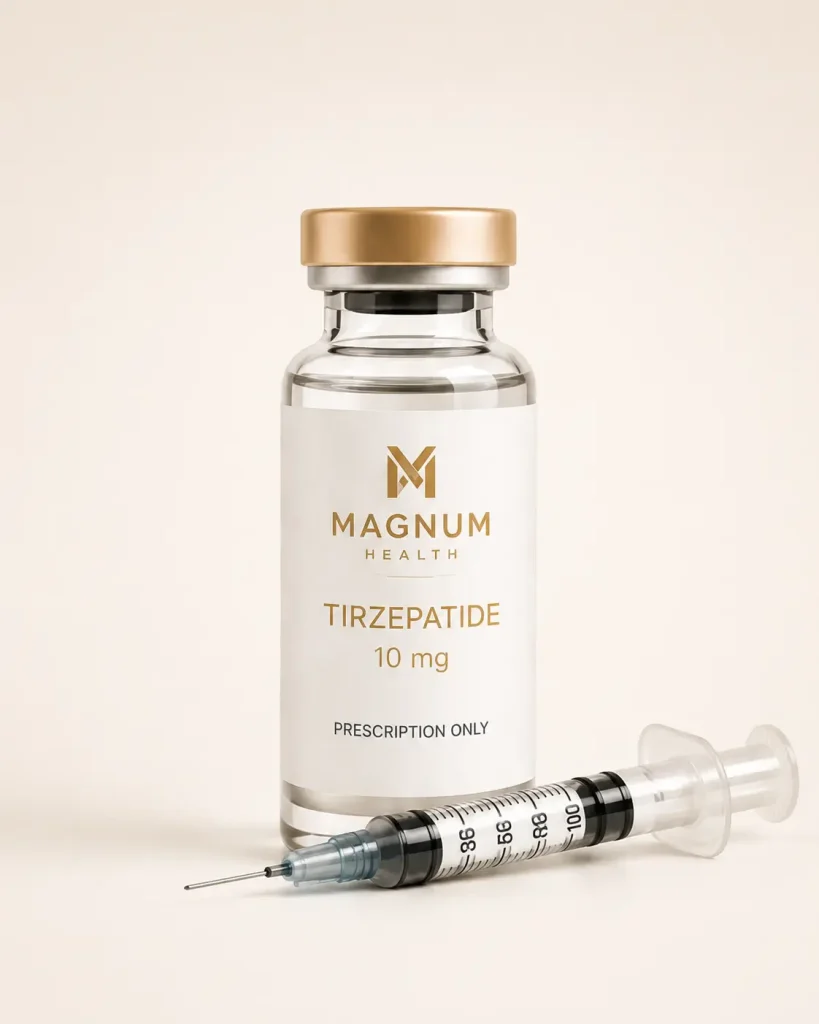
Short answer: Switching from semaglutide to tirzepatide may make sense for some patients, but the change should be planned with a clinician. The two drugs are not equal milligram for milligram. There is no safe one-to-one dose conversion, and taking both together without clear medical instructions can raise the risk of side effects.
The safest plan depends on the exact semaglutide product, the current dose, how long it has been used, side effects, other health problems, and the reason for switching. A switch does not guarantee faster or greater weight loss.
Why consider switching from semaglutide to tirzepatide?
There are several reasons a patient may ask about switching from semaglutide to tirzepatide. Weight loss may have slowed. Hunger may have returned. Side effects may be hard to manage. The current medication may be unavailable or no longer covered. A clinician may also think another option better fits the patient’s blood sugar, weight goals, or health history.
A short weight loss plateau does not always mean semaglutide has stopped working. Body weight often changes in steps. Sodium, bowel movements, sleep, stress, menstrual cycles, and recent food intake can move the scale even when body fat is still changing. Before switching GLP-1 medications, it helps to review the full trend instead of reacting to one week.
Semaglutide vs. tirzepatide: what is different?
Semaglutide and tirzepatide both affect signals that control hunger, fullness, blood sugar, and digestion. Semaglutide works mainly through a signal called GLP-1. Tirzepatide works through GLP-1 and a second signal called GIP.
| Question | Semaglutide | Tirzepatide |
|---|---|---|
| Main signals. | GLP-1. | GIP and GLP-1. |
| Common weight-care brand. | Wegovy. | Zepbound. |
| Common diabetes brand. | Ozempic. | Mounjaro. |
| Common side effects. | Nausea, vomiting, diarrhea, constipation, and stomach pain. | Nausea, vomiting, diarrhea, constipation, and stomach pain. |
| Direct dose conversion. | No one-to-one conversion exists | |
These are broad differences. Each brand has its own FDA label, strengths, directions, and approved uses. Read our full semaglutide vs. tirzepatide comparison for more detail.
There is no safe dose-conversion chart
The number printed on a semaglutide label cannot be matched to the same number on a tirzepatide label. The drugs have different structures, strengths, and dose steps. The body may also respond differently to each one.
An online dose-conversion chart may look simple, but it leaves out important details. It may not account for the exact brand, a compounded product’s concentration, missed doses, recent side effects, kidney function, or other medicines. A clinician should choose the new starting plan and explain each step.
Timing the switch matters
A prescriber should give a clear last dose date for semaglutide and a clear first dose date for tirzepatide. The plan may depend on how often the current product is taken, when the last dose was used, and whether side effects are still present.
Do not overlap the drugs or shorten the gap on your own. Both can slow digestion and cause similar stomach problems. Taking them too close together may increase nausea, vomiting, dehydration, and poor food intake. If the written directions are not clear, contact the prescriber before the next dose.
Side effects may return after the change
A patient who tolerated semaglutide can still have tirzepatide side effects. The most common problems involve the stomach and bowels. Nausea, vomiting, diarrhea, constipation, stomach pain, heartburn, or feeling overly full may occur. Symptoms may be stronger when treatment starts or changes.
Smaller meals, eating slowly, and getting enough fluids may help some people. Severe or lasting stomach pain, repeated vomiting, inability to keep fluids down, fainting, or signs of dehydration need prompt medical advice. Review our guide to GLP-1 side effects before a switch.
A weight loss plateau deserves a full review
Before changing medication, review the habits and health factors that shape progress. Protein intake, total calories, strength training, daily movement, sleep, stress, alcohol, and missed doses can all matter. Eating too little can also make it hard to get enough protein, fiber, vitamins, and fluids.
A clinician may look for other causes of a plateau. These may include a thyroid problem, a medicine that promotes weight gain, or a change in activity. The goal is not to blame the patient. It is to find the part of the plan that needs attention.
Health history and lab work still matter
A medication change is also a new safety check. Tell the clinician about any history of pancreas problems, gallbladder disease, kidney disease, severe stomach symptoms, diabetes eye disease, or an eating disorder. Pregnancy, plans for pregnancy, and every prescription or supplement should also be discussed.
Not every patient needs the same lab panel. Recent blood sugar, kidney, liver, or thyroid results may be useful based on the person’s history. Our guide to tests before GLP-1 medication explains why testing should be focused rather than automatic.
Brand, concentration, and pharmacy details matter
Confirm the exact drug and product before using it. Wegovy and Ozempic contain semaglutide. Zepbound and Mounjaro contain tirzepatide. They are not interchangeable just because some are used in patients with similar goals.
Compounded semaglutide and compounded tirzepatide are not FDA-approved brands or generic versions of the brands. The label should clearly state the drug, concentration, amount to inject, storage steps, and pharmacy. Never assume two vials contain the same concentration.
What should follow-up include?
Early follow-up should review hunger, fullness, weight trend, stomach symptoms, bowel habits, food intake, and hydration. Blood pressure, blood sugar, or lab work may also be reviewed when needed. A good plan explains when the dose may change and what would lead to a pause or stop.
Magnum Health offers provider-guided semaglutide treatment and tirzepatide treatment for eligible adults in Texas. Medication is prescribed only when it is medically appropriate.
Questions to ask before switching
- Why are we changing medications?
- When is my final semaglutide dose?
- When should I begin tirzepatide?
- What side effects should make me call?
- How will we judge whether the change is working?
- Which product and pharmacy will be used?
Frequently asked questions
Can I switch because my weight loss stopped?
Possibly, but a plateau should first be confirmed and reviewed. Food intake, activity, sleep, side effects, missed doses, and other health issues may be part of the cause. A switch does not guarantee more weight loss.
Can I use the same dose of tirzepatide?
No. Semaglutide and tirzepatide do not have a one-to-one dose conversion. Your prescriber should choose the new plan.
Can I take semaglutide and tirzepatide together?
Do not combine them unless a qualified prescriber gives a specific reason and plan. Overlap may increase side effects and is not a routine switch.
Will tirzepatide cause fewer side effects?
Not necessarily. The side effects overlap, but each person’s response can differ. Someone who tolerated semaglutide may still have problems with tirzepatide.
This article is for general educational purposes and does not replace individualized medical advice, diagnosis, or treatment. Do not start, stop, combine, or change prescription medicine without your prescriber.
Compounded medications are not FDA-approved. The FDA does not review them for safety, effectiveness, or quality before marketing.